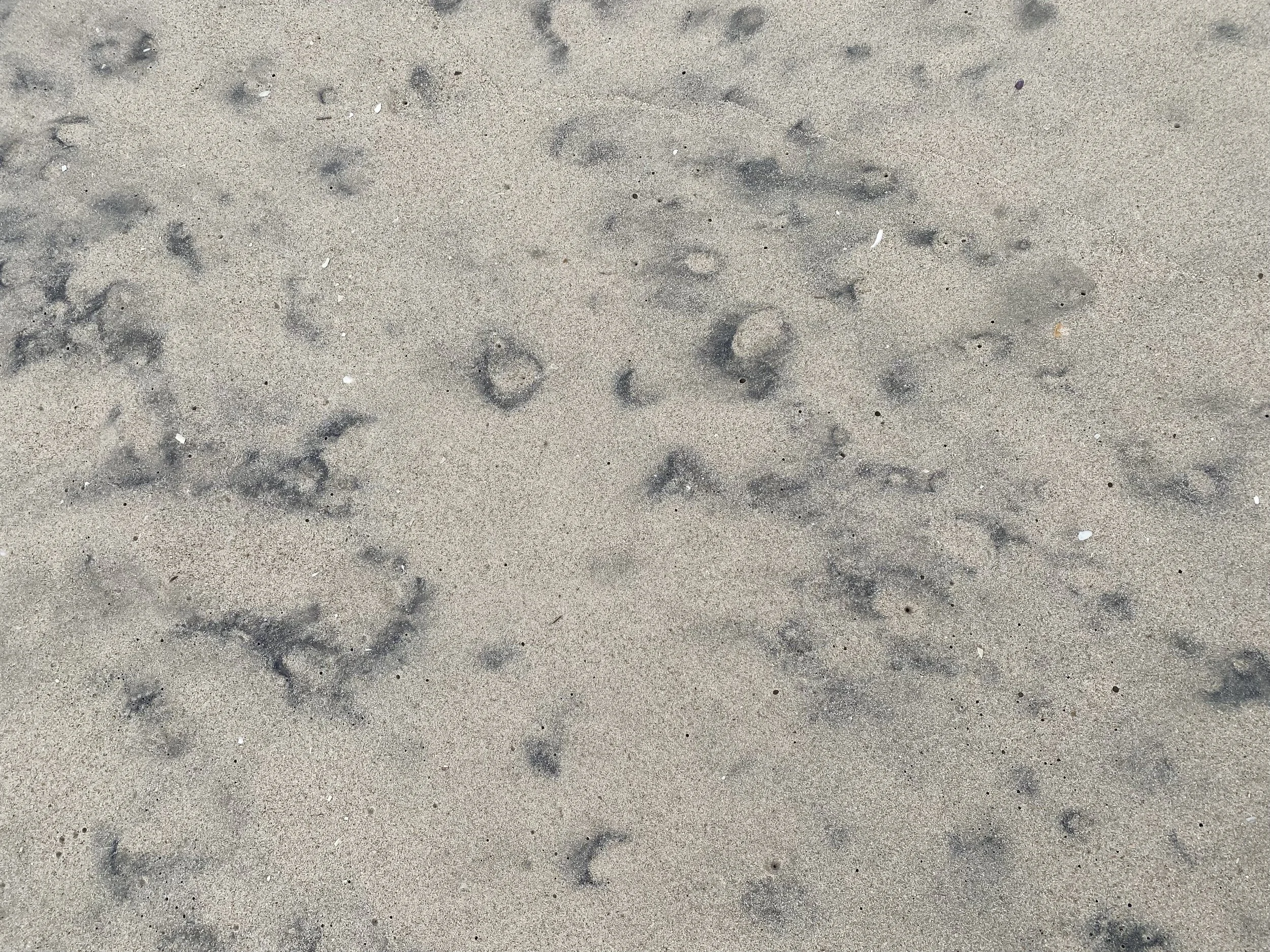
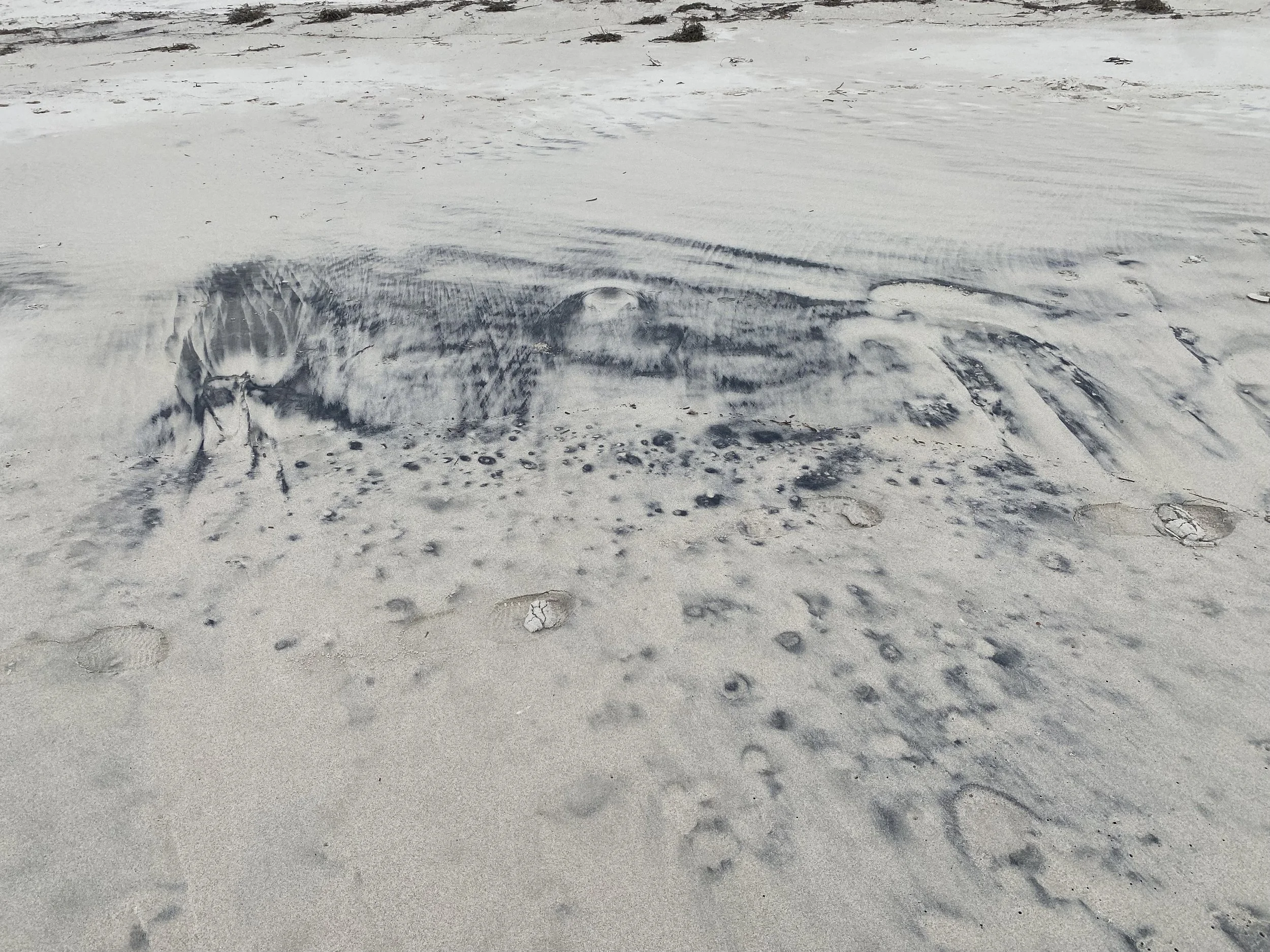
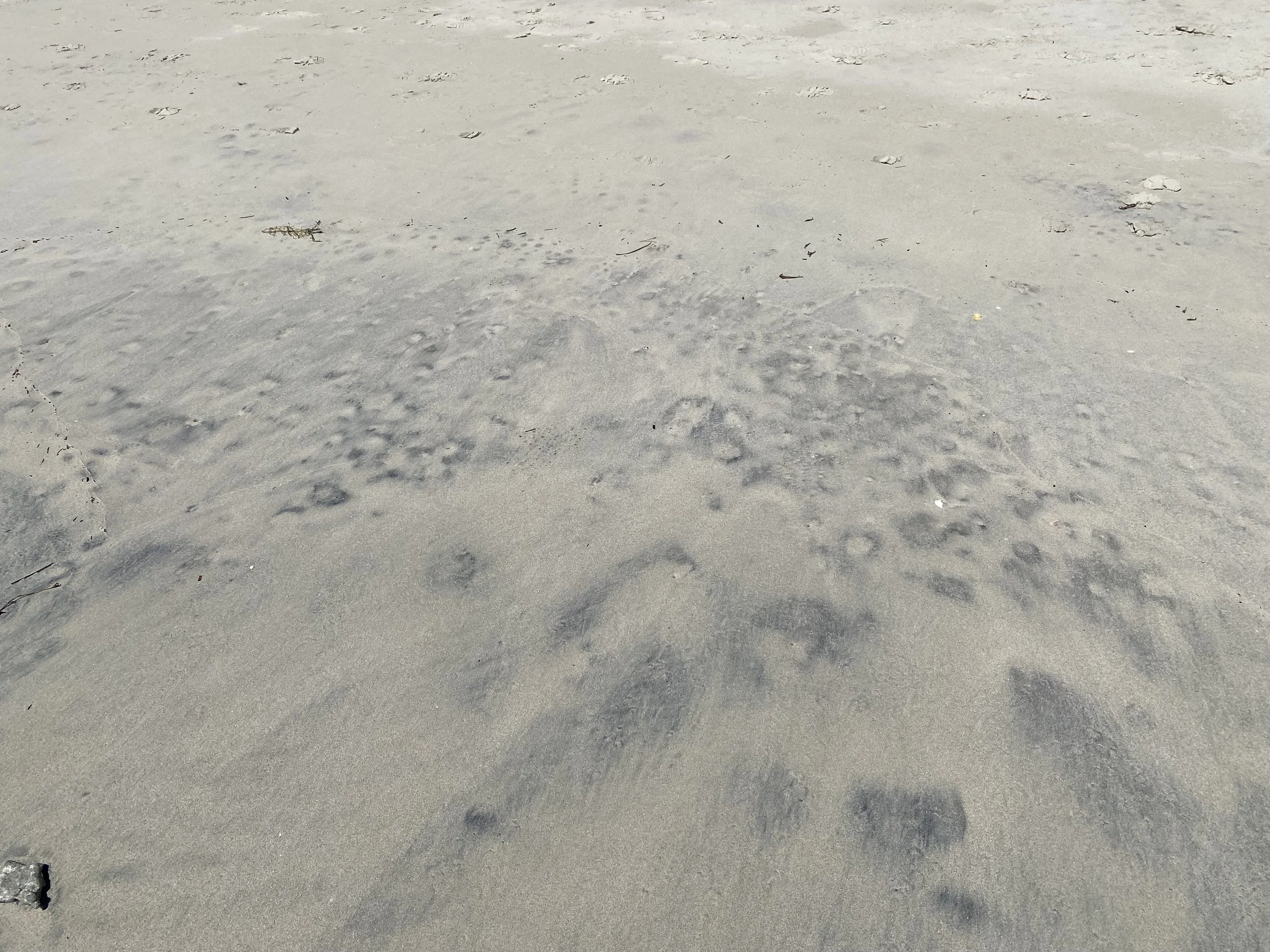
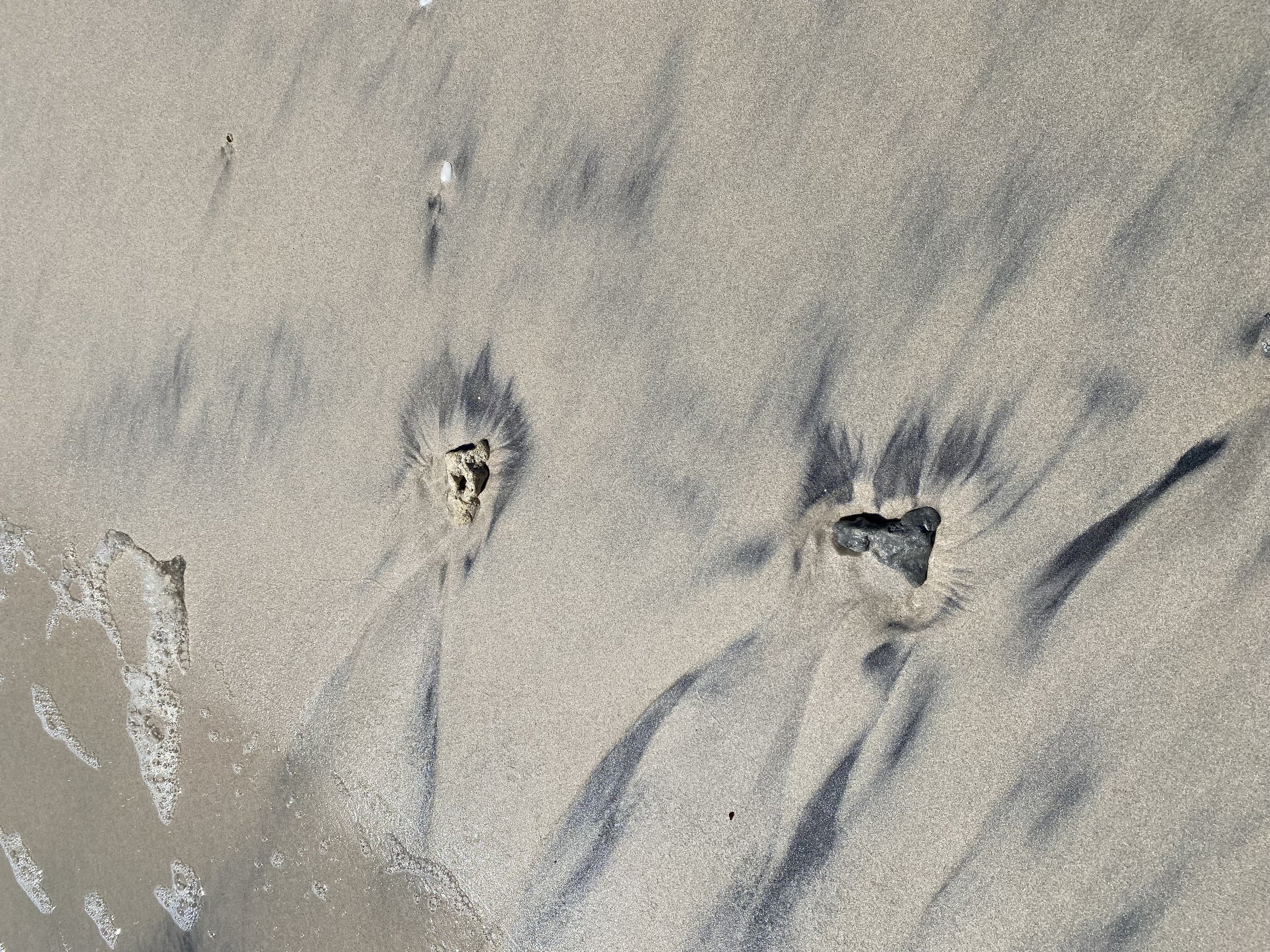
WHEN THE WAVES dO tHE DRAWING
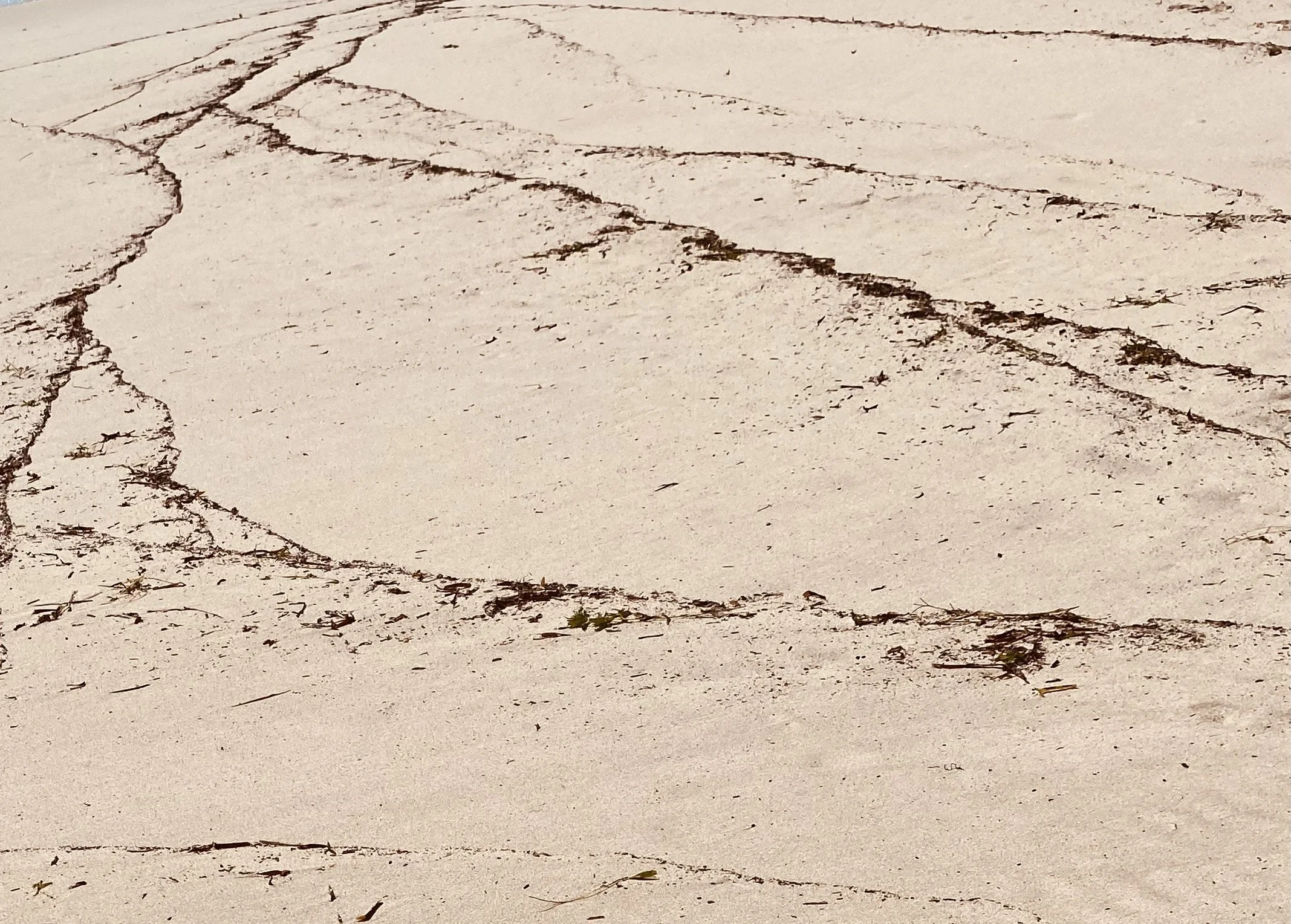
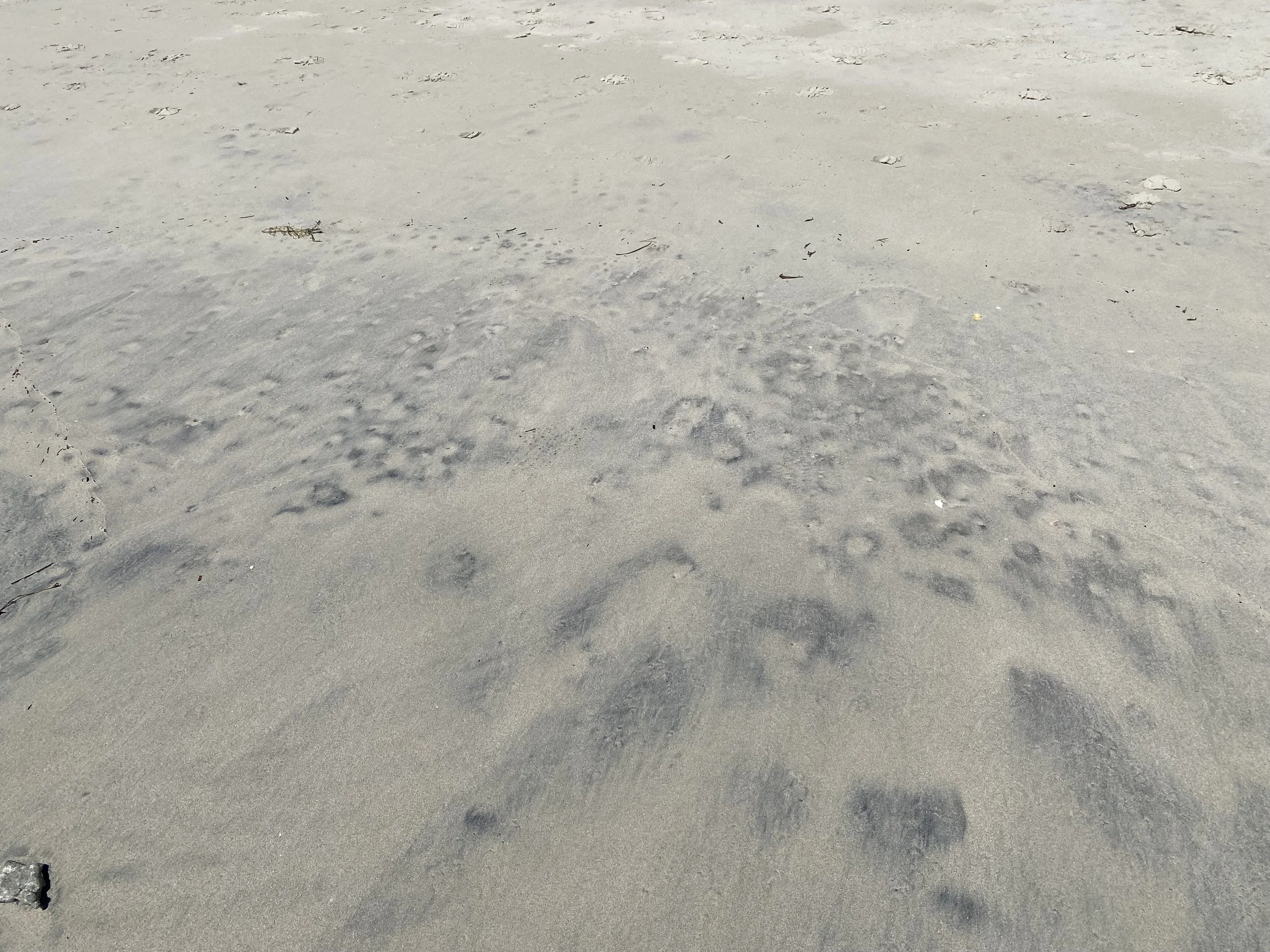
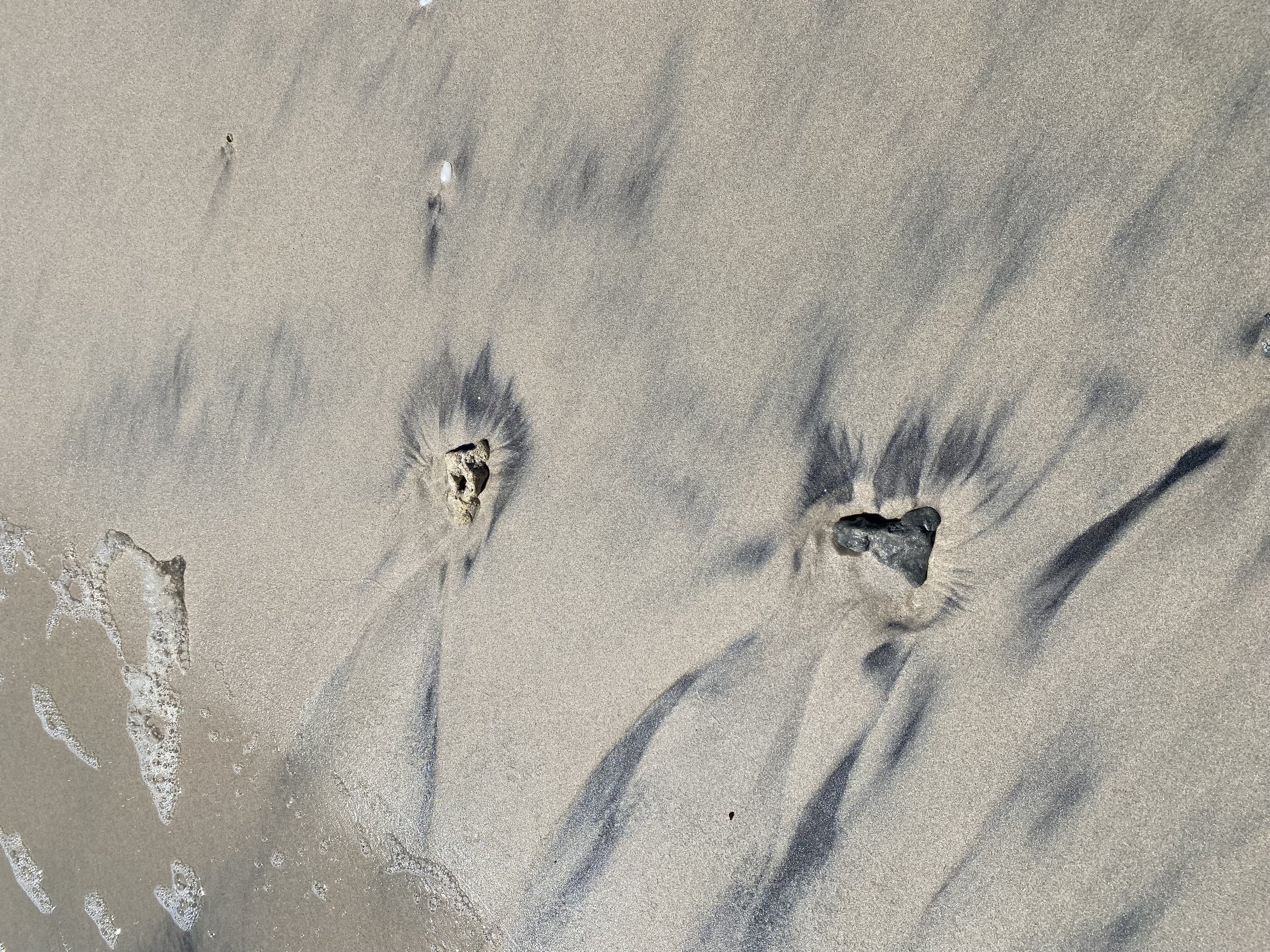
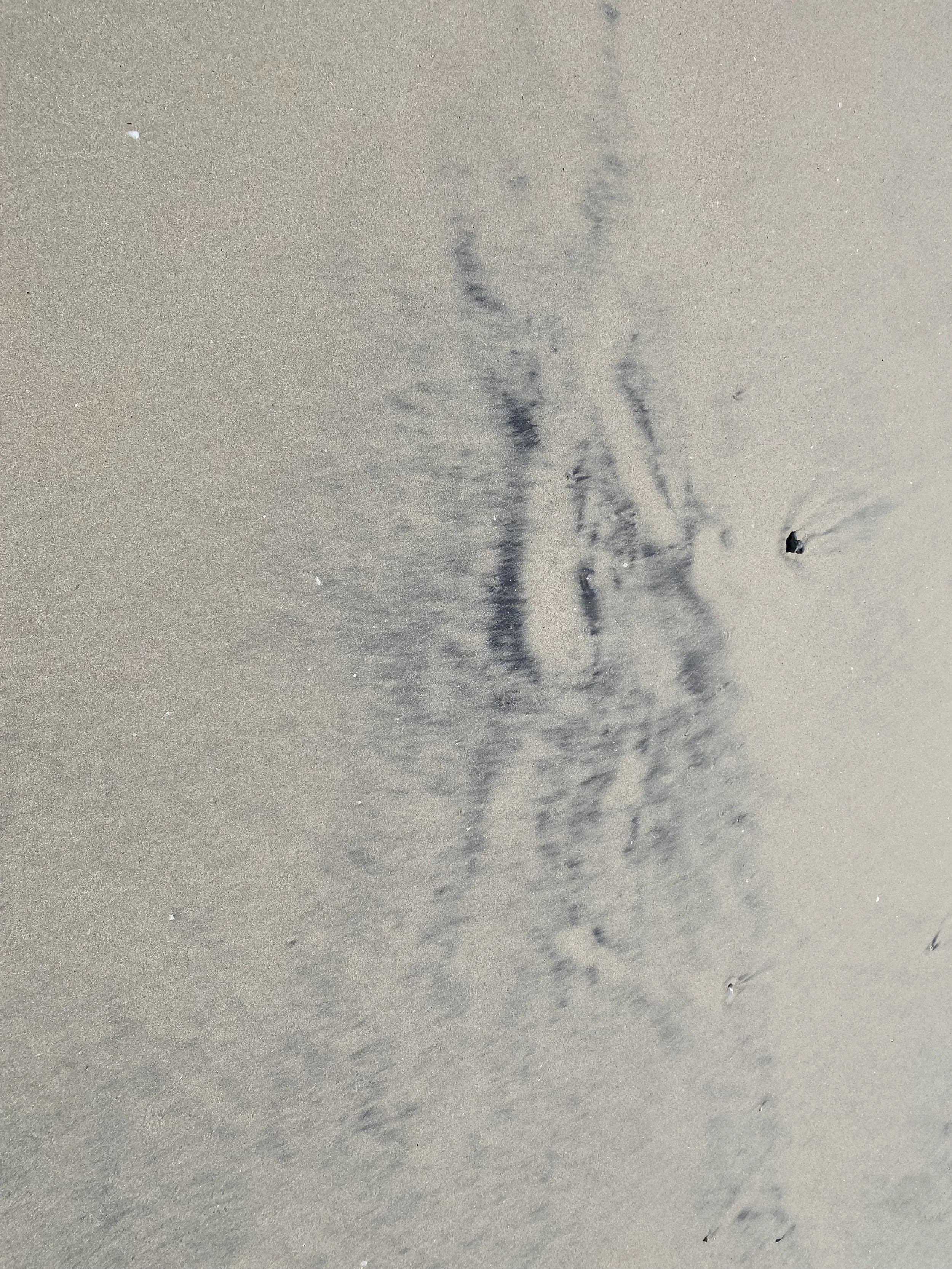
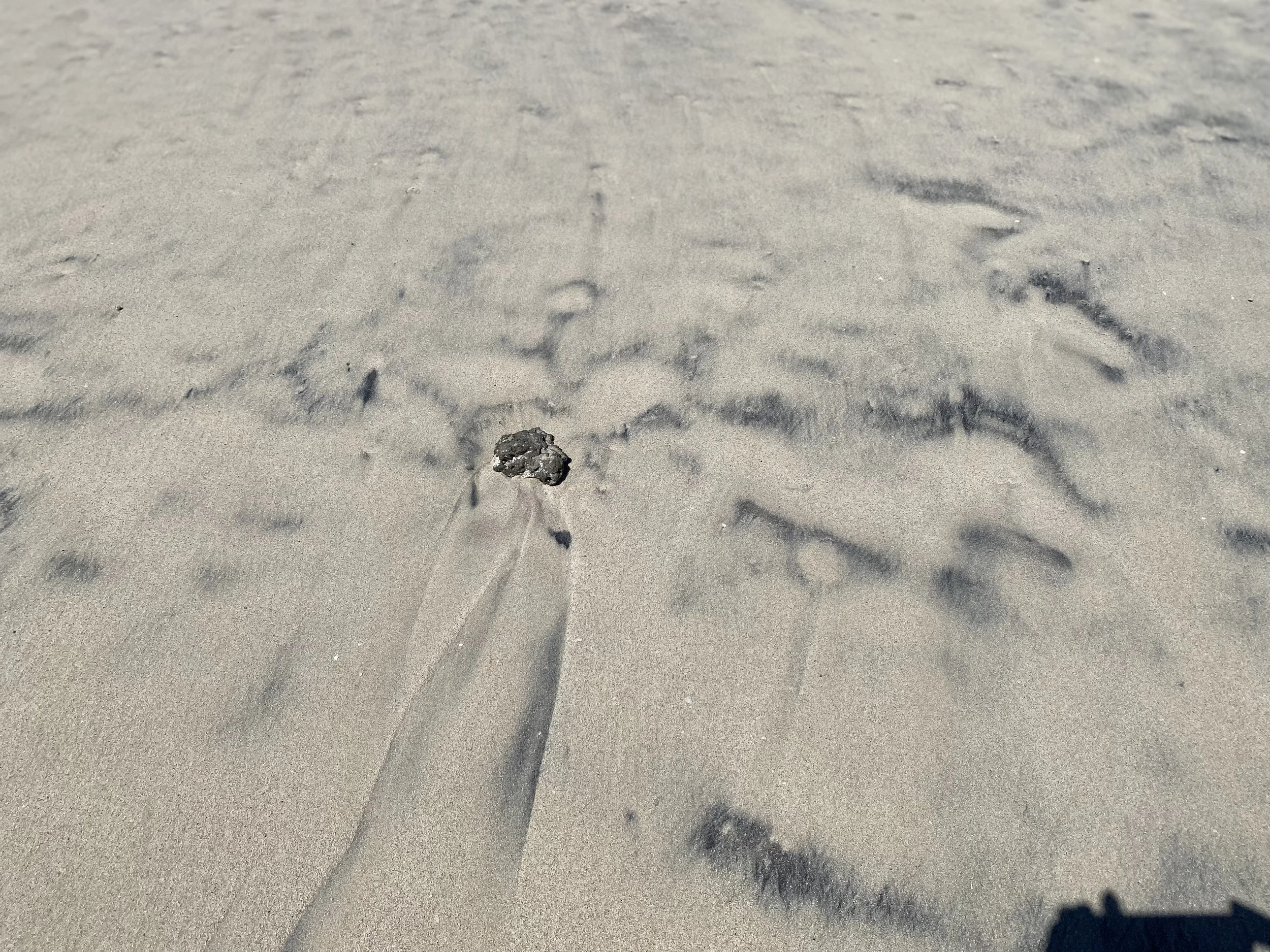
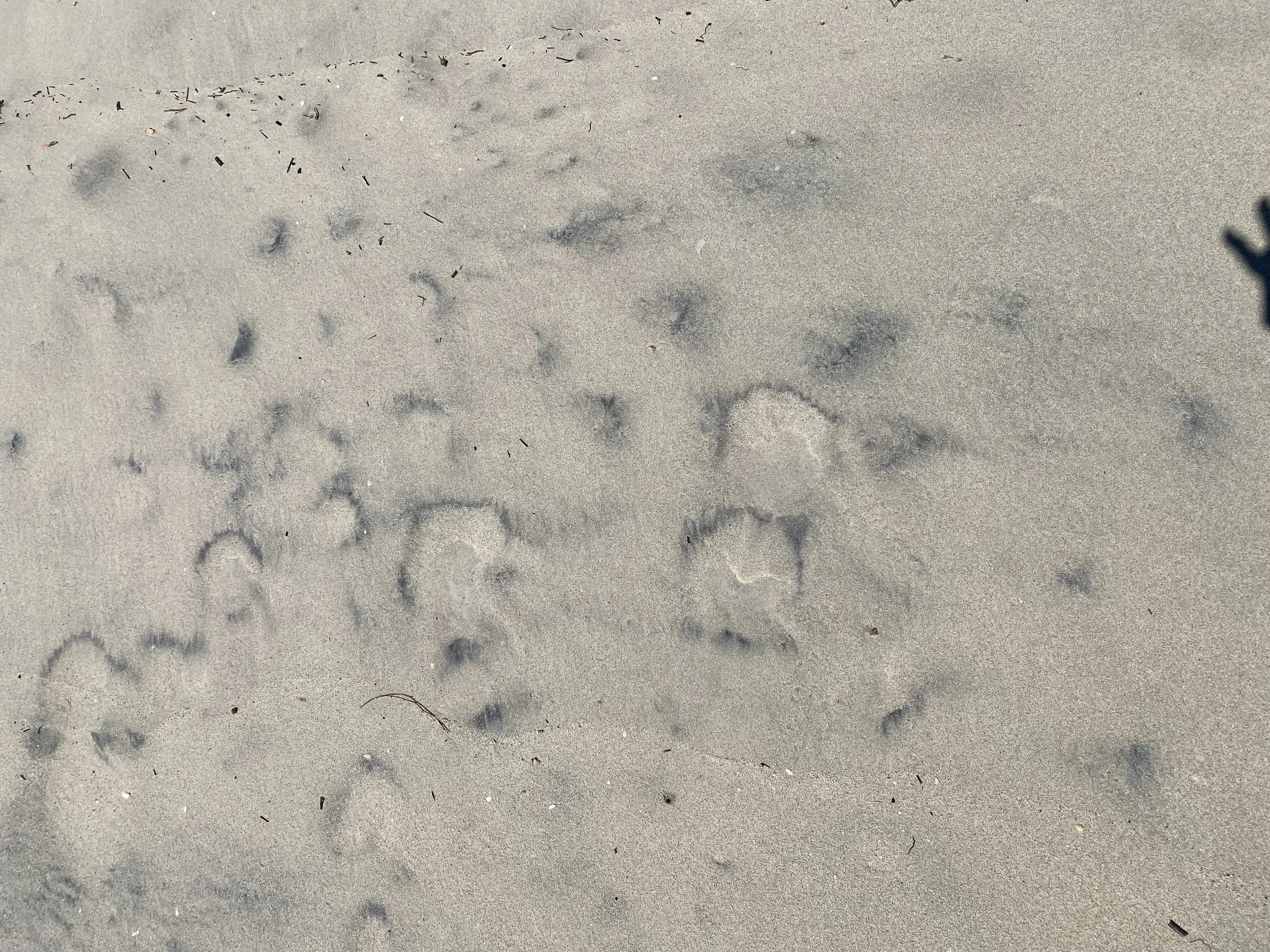
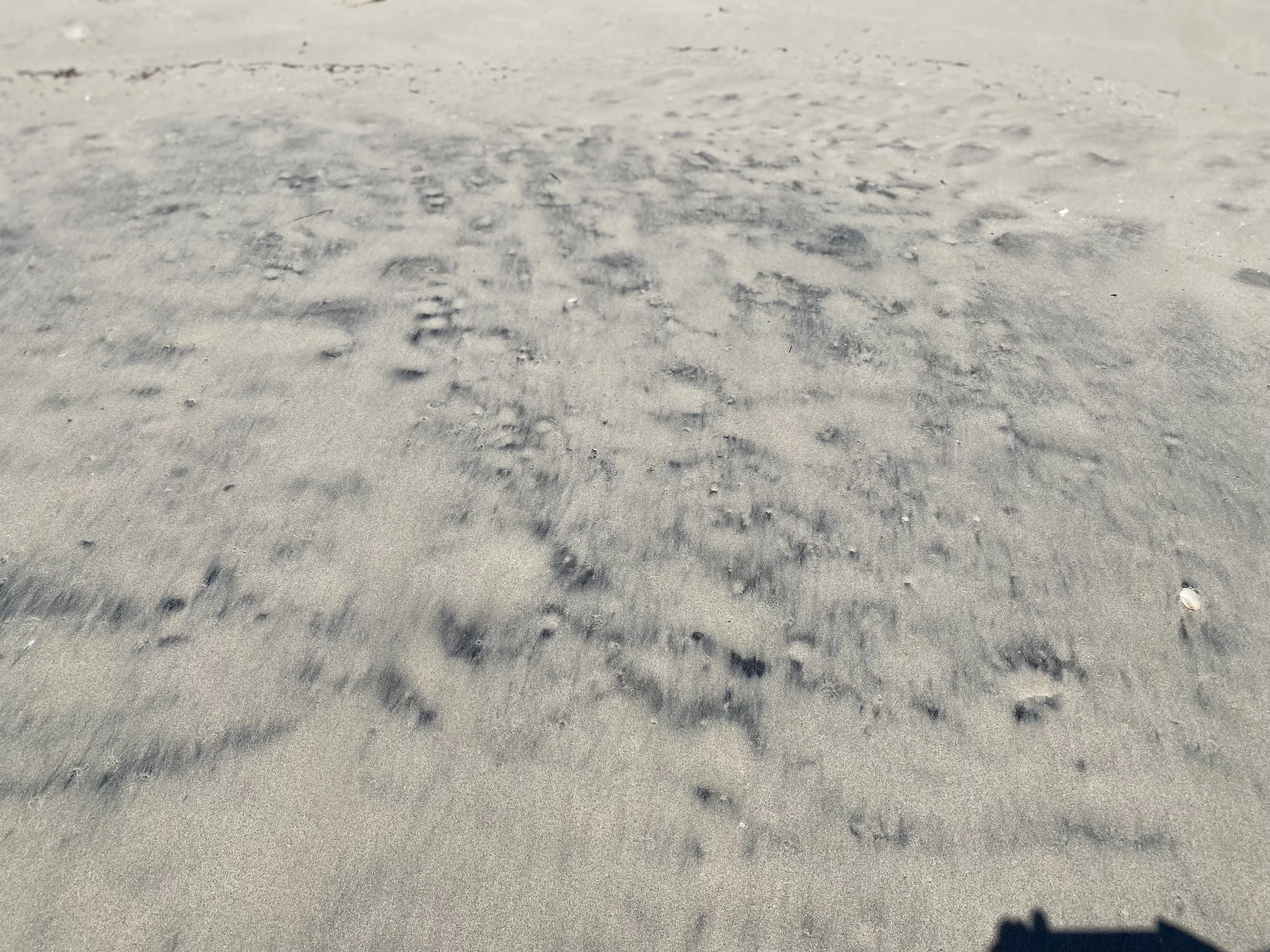
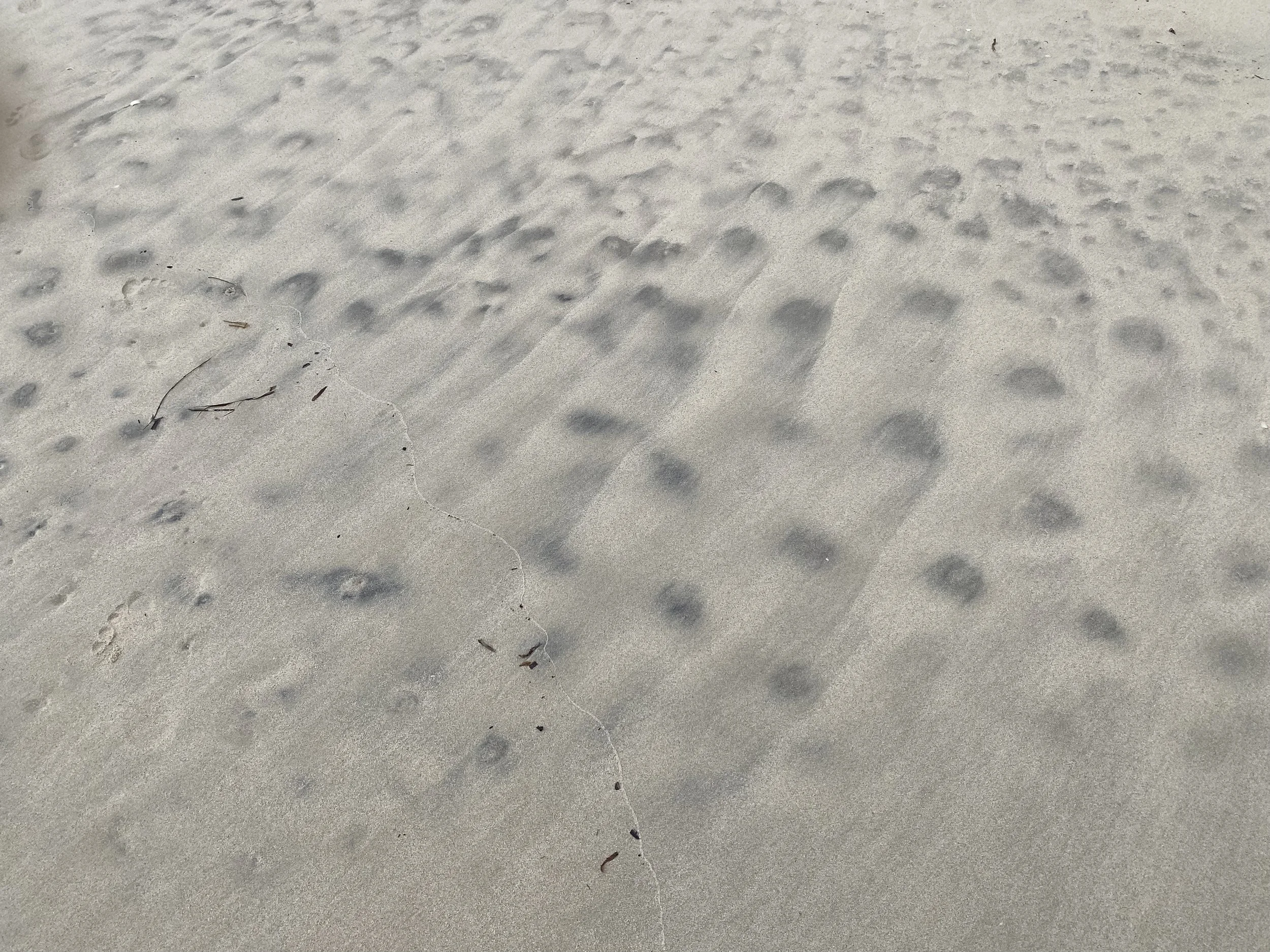
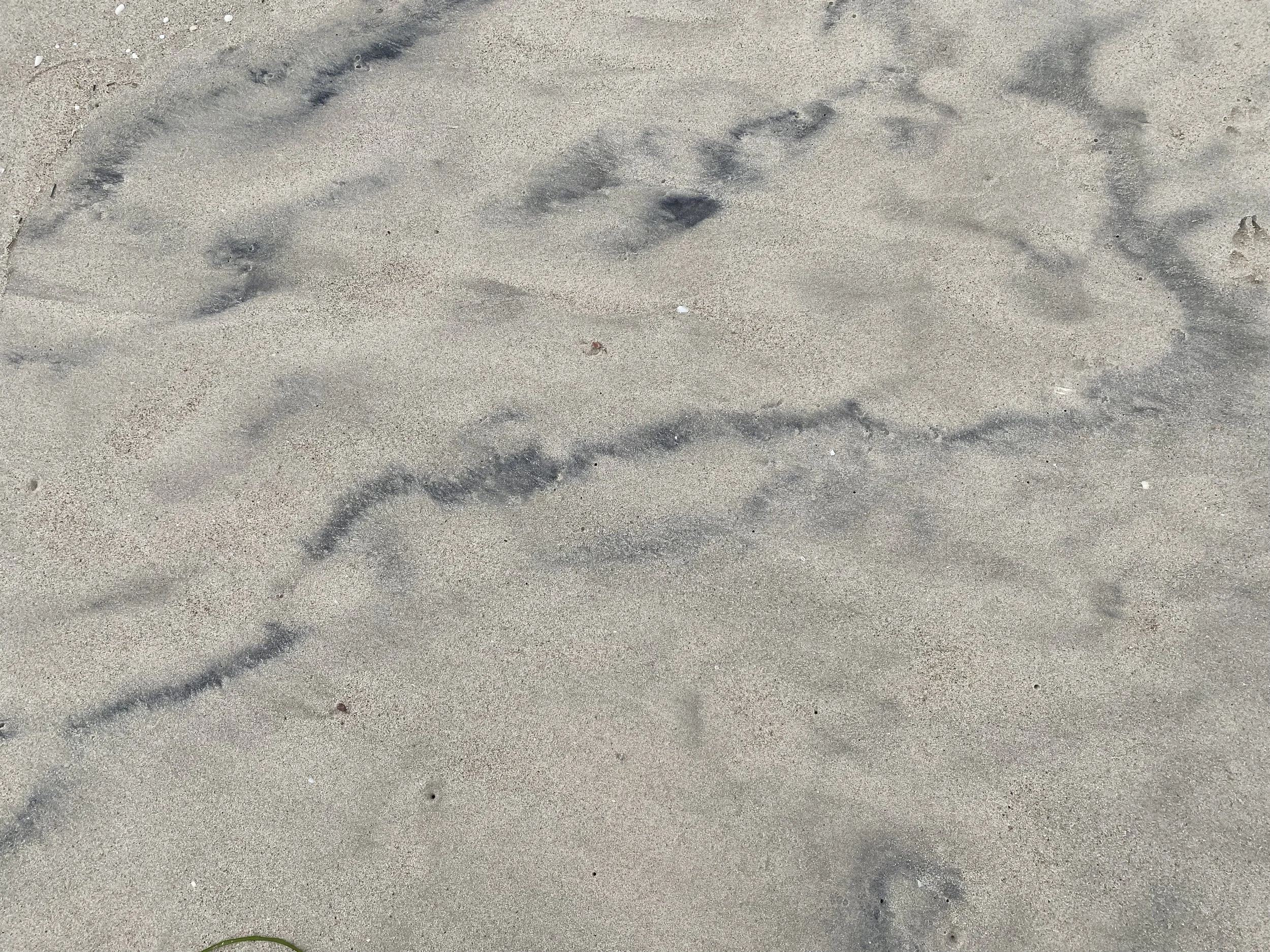
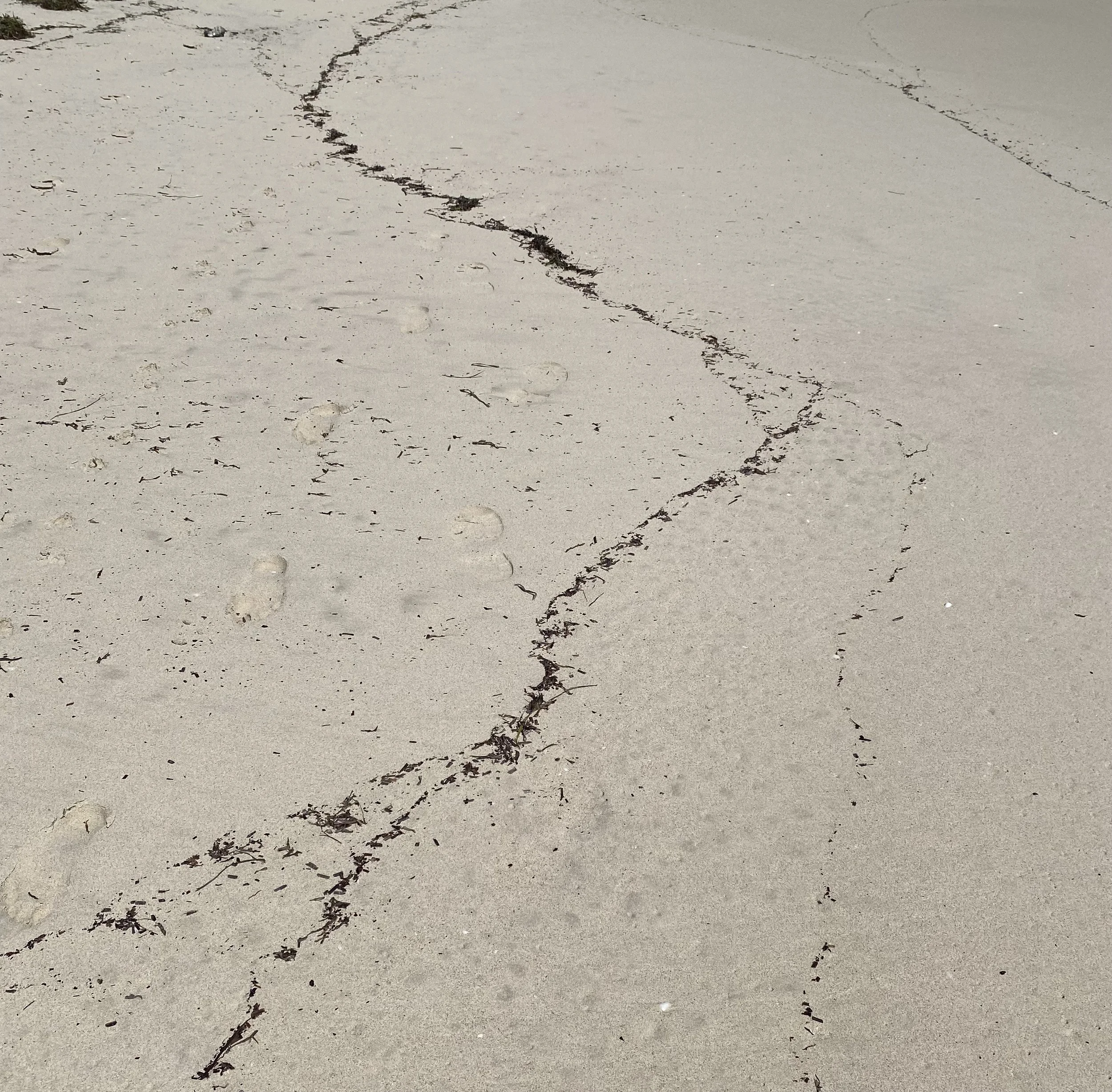
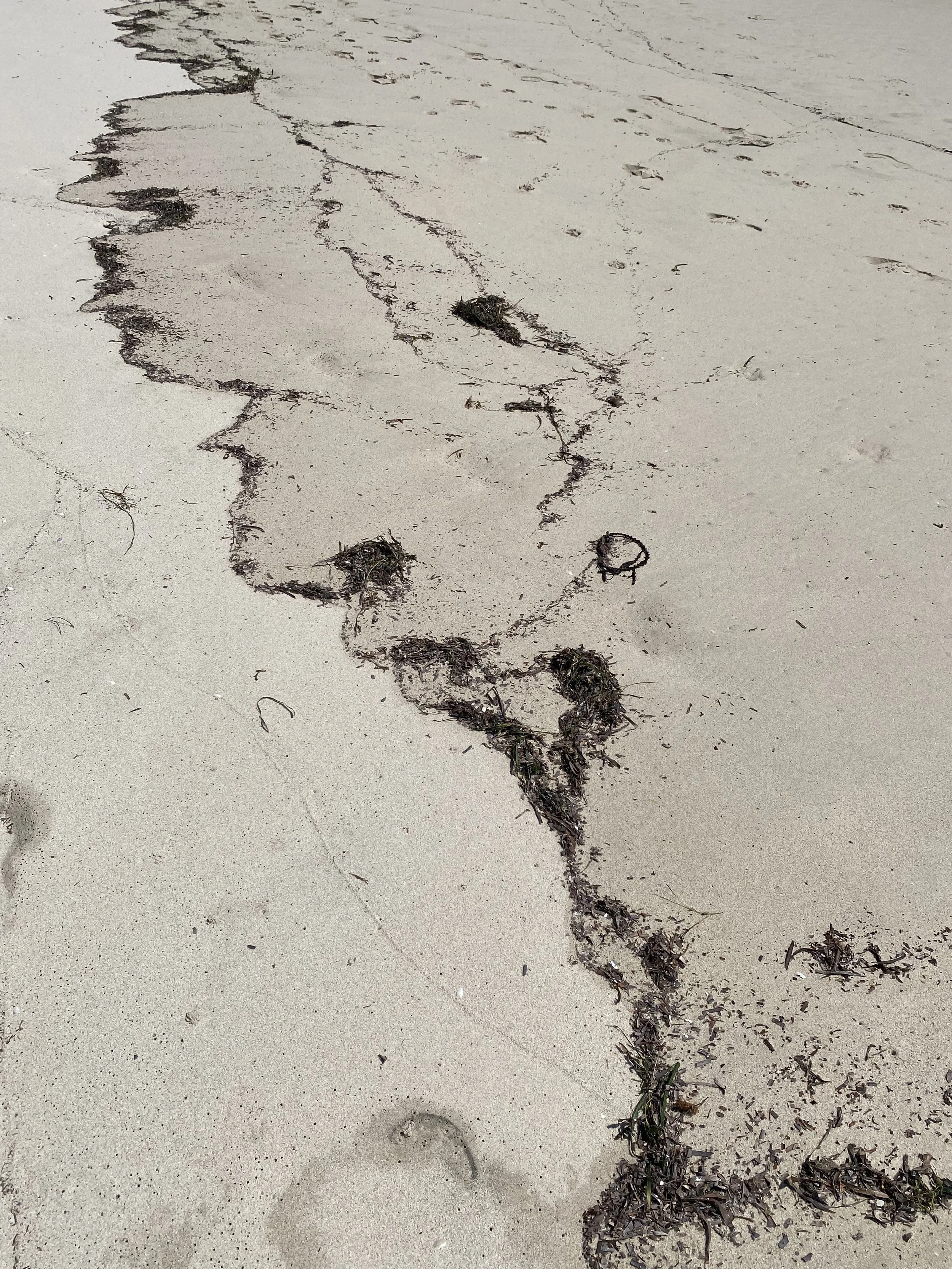
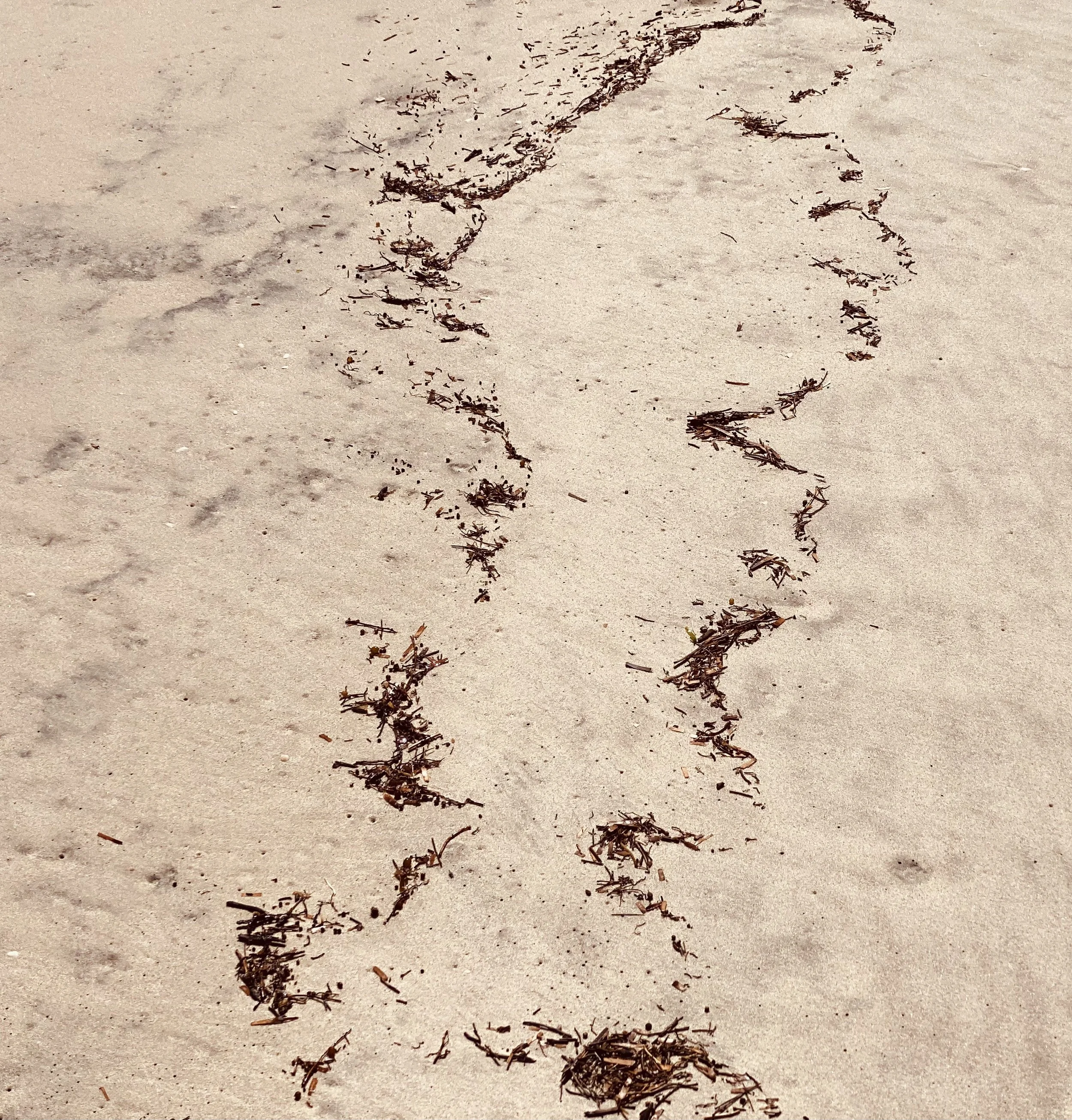
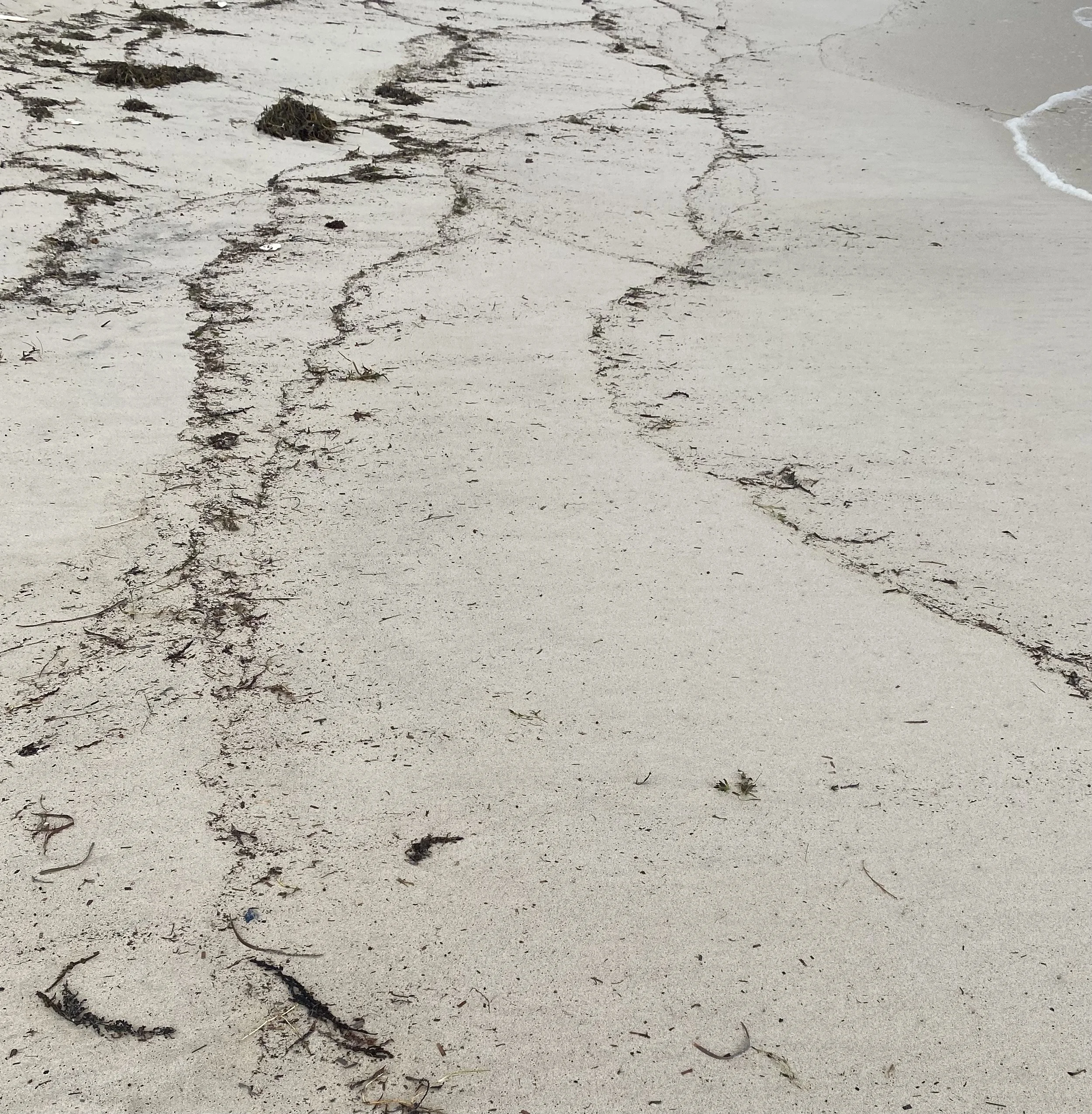
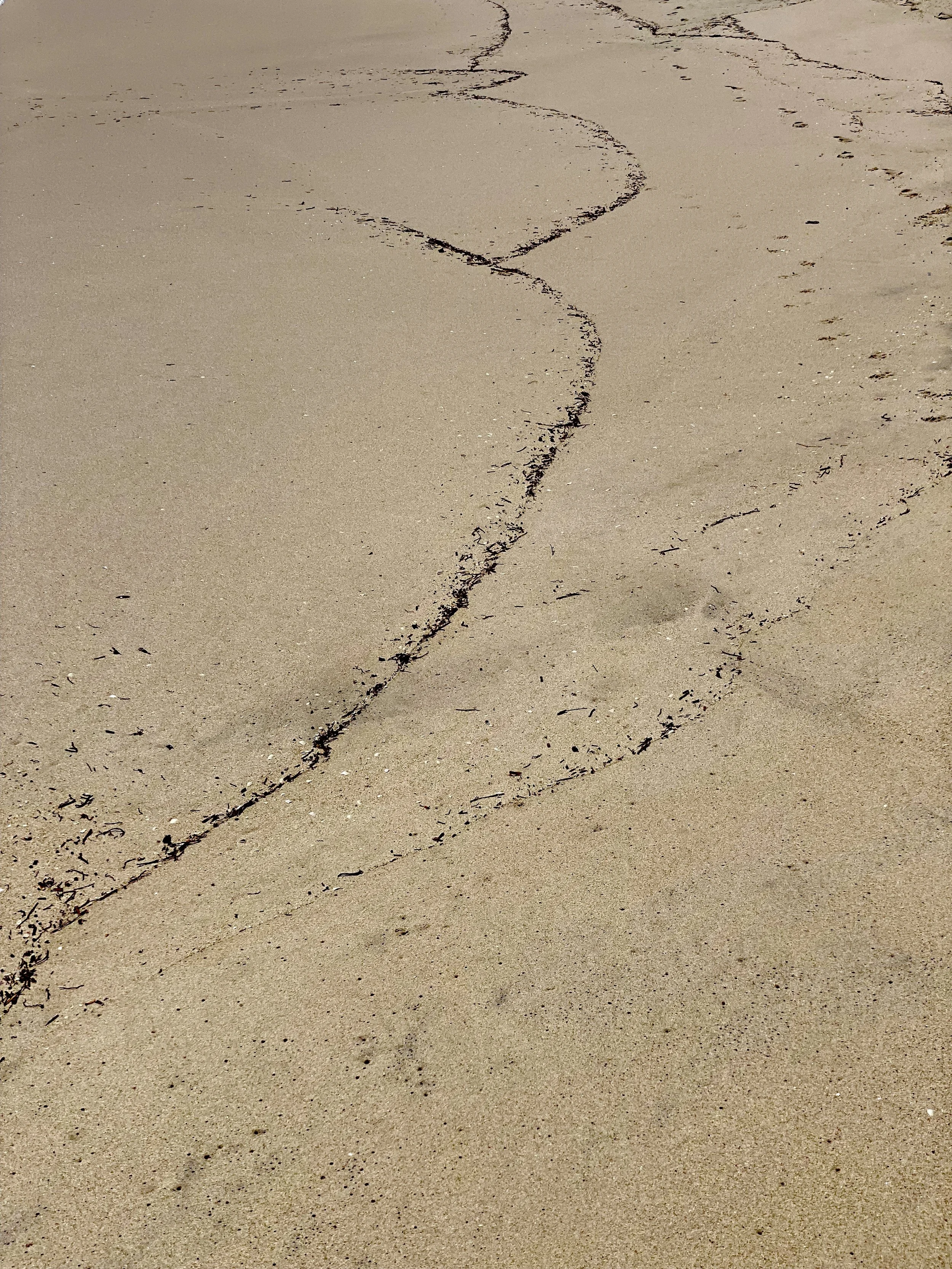
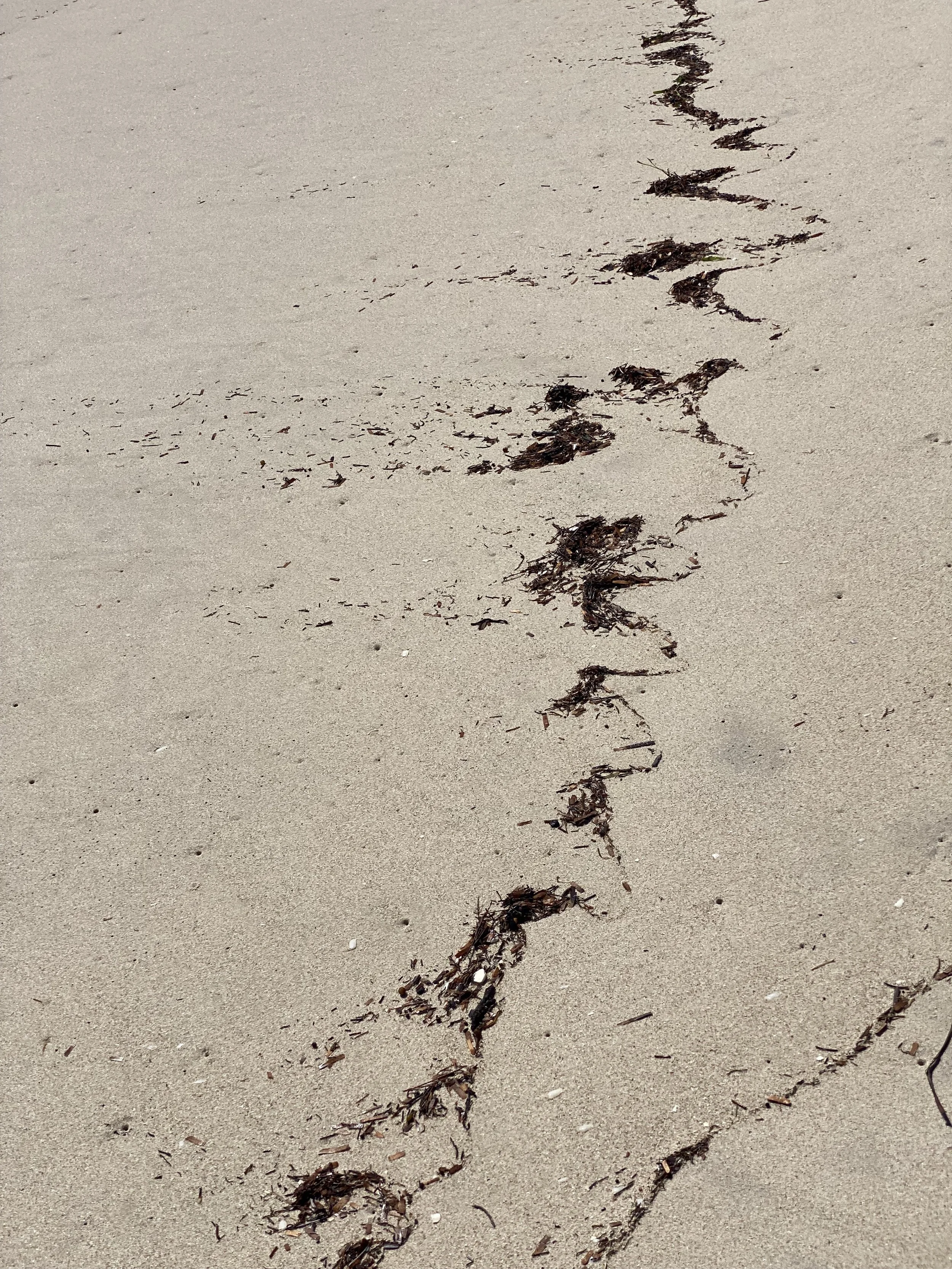
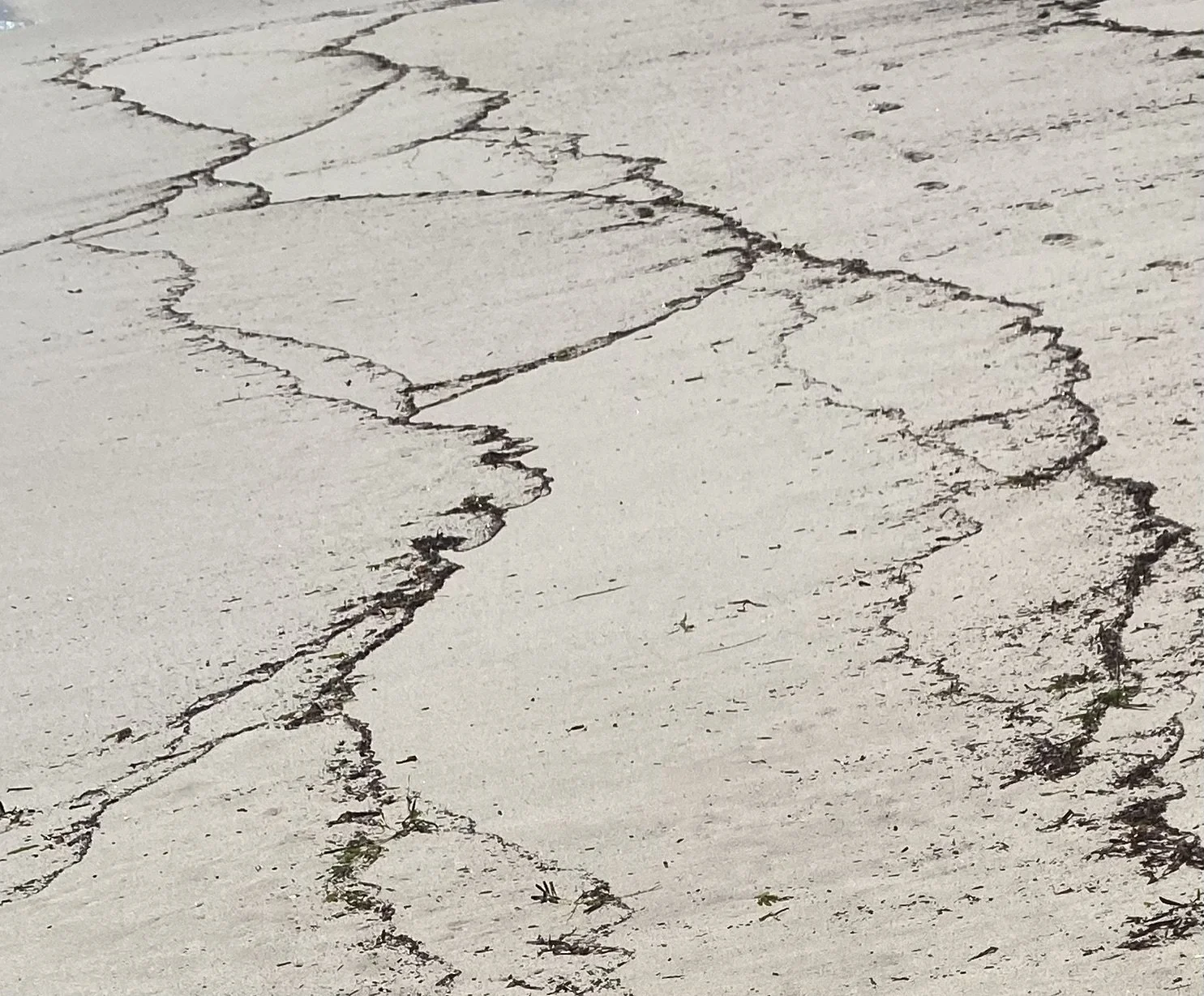
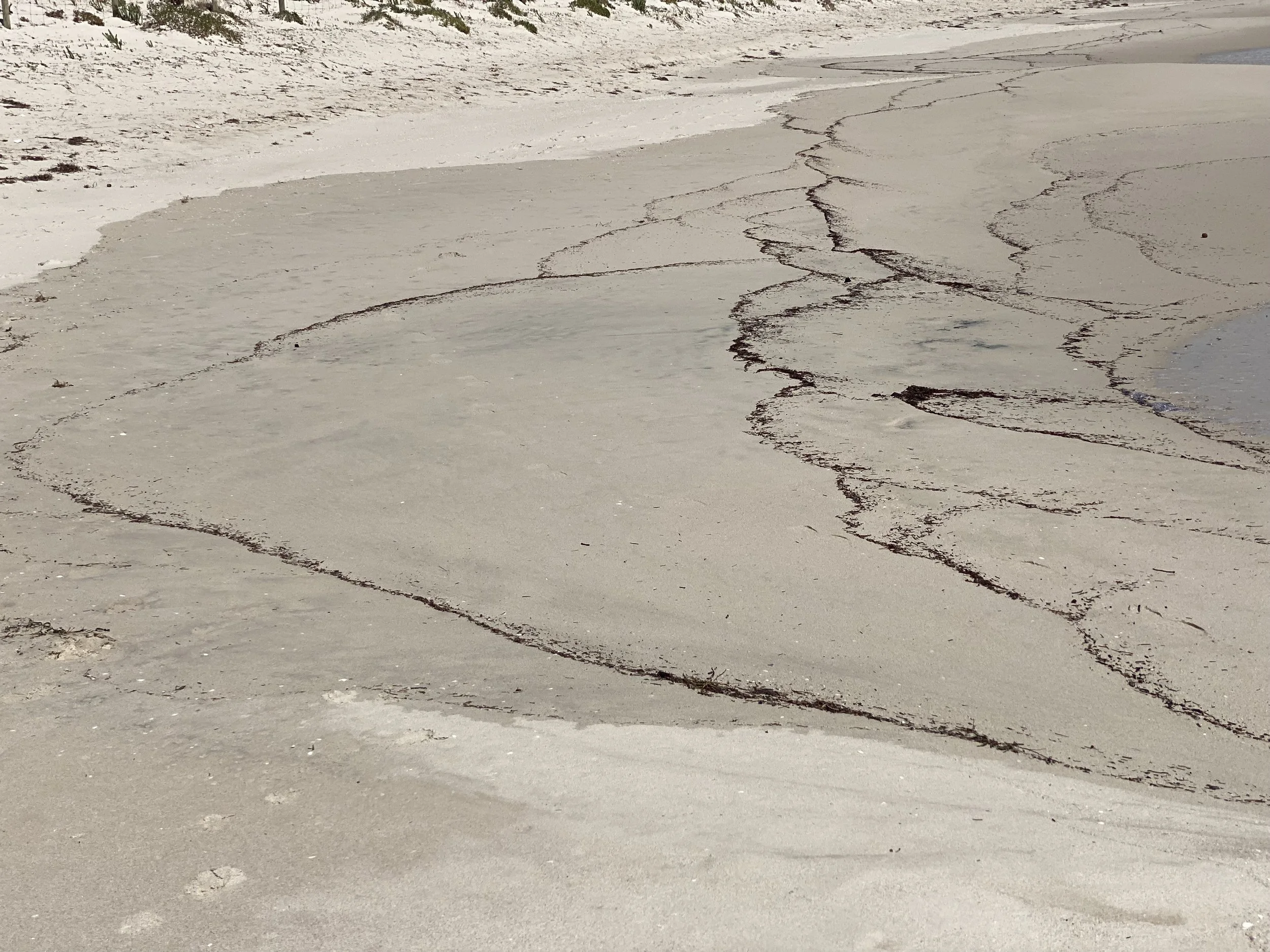
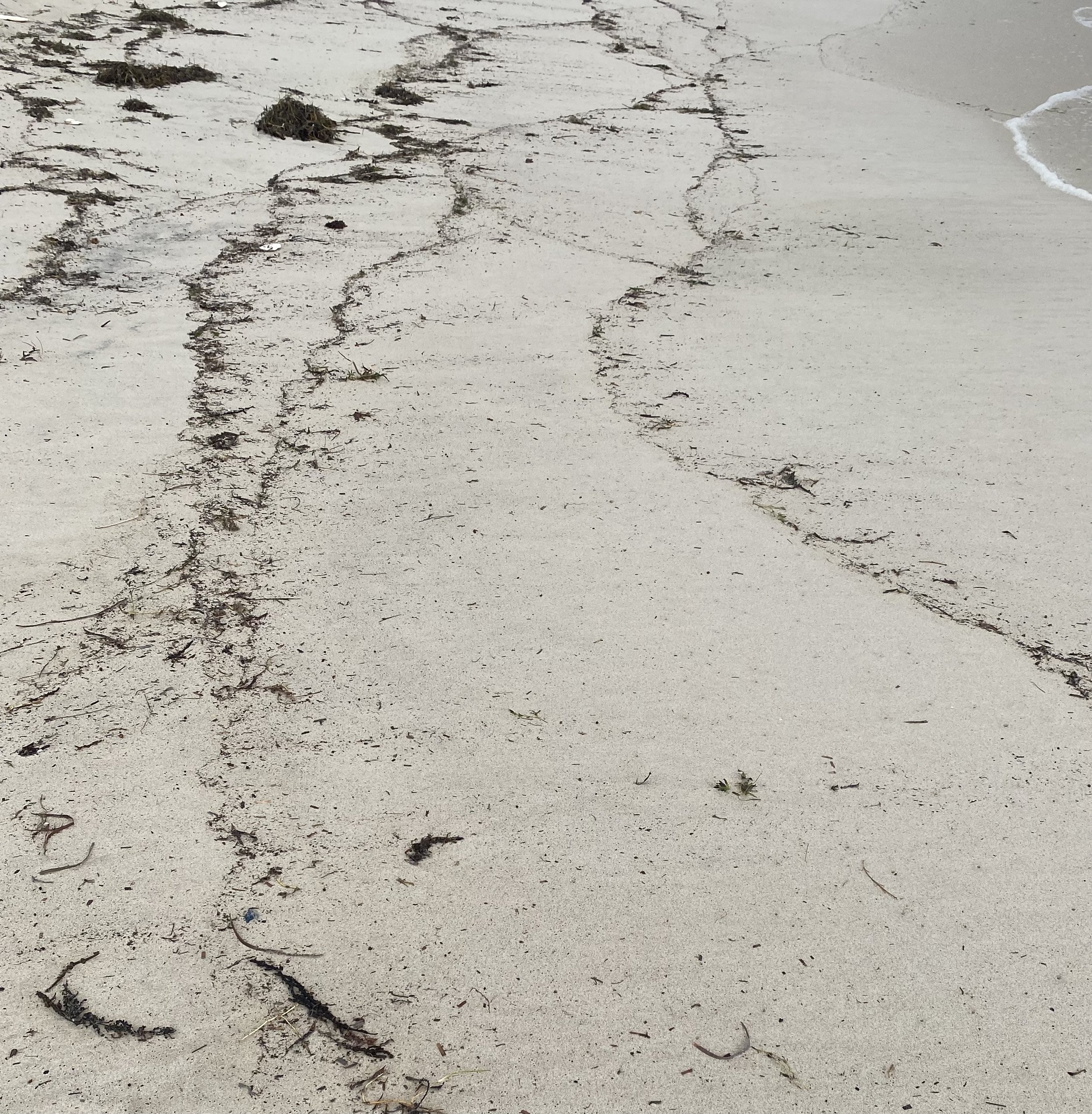
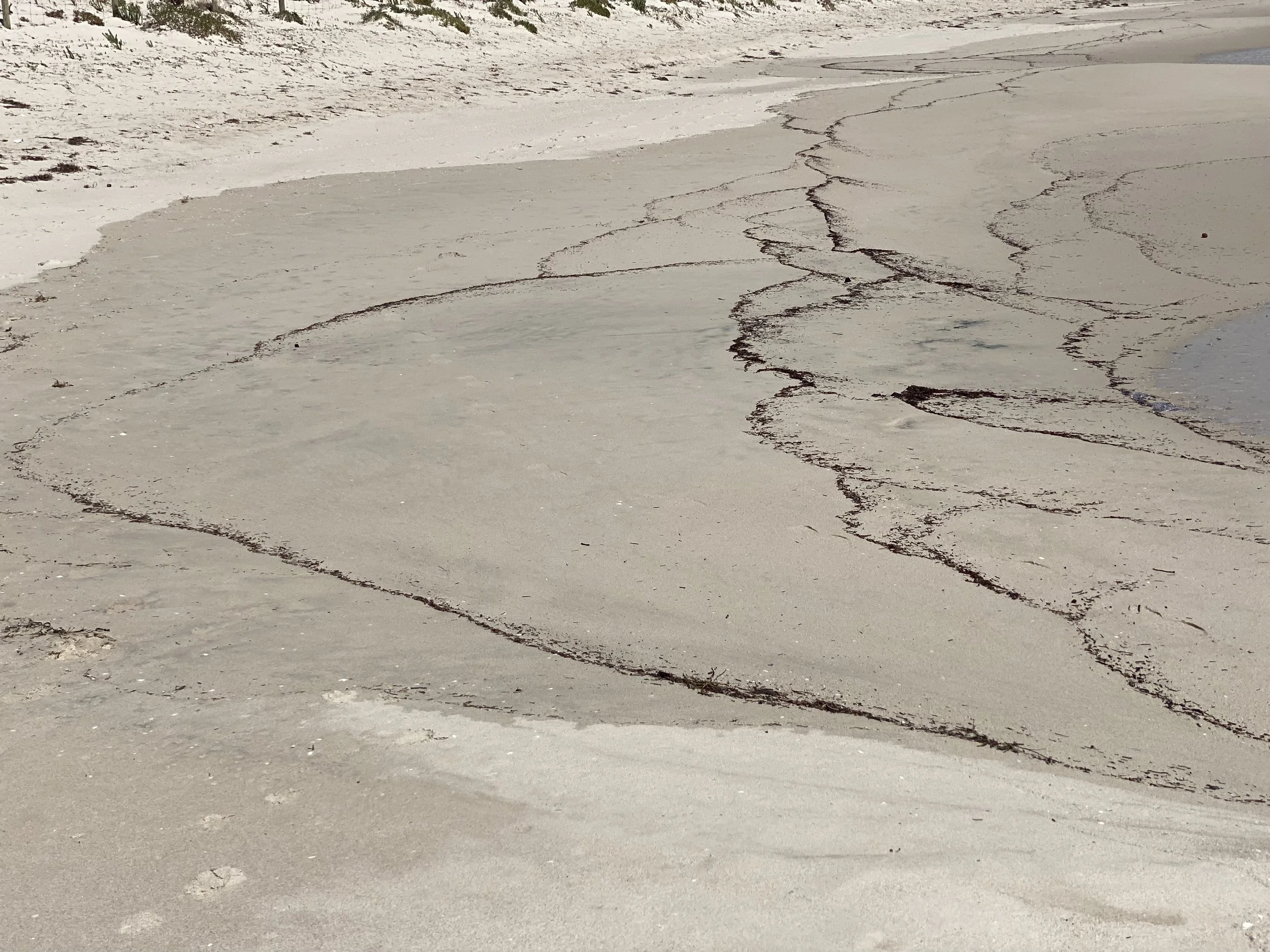
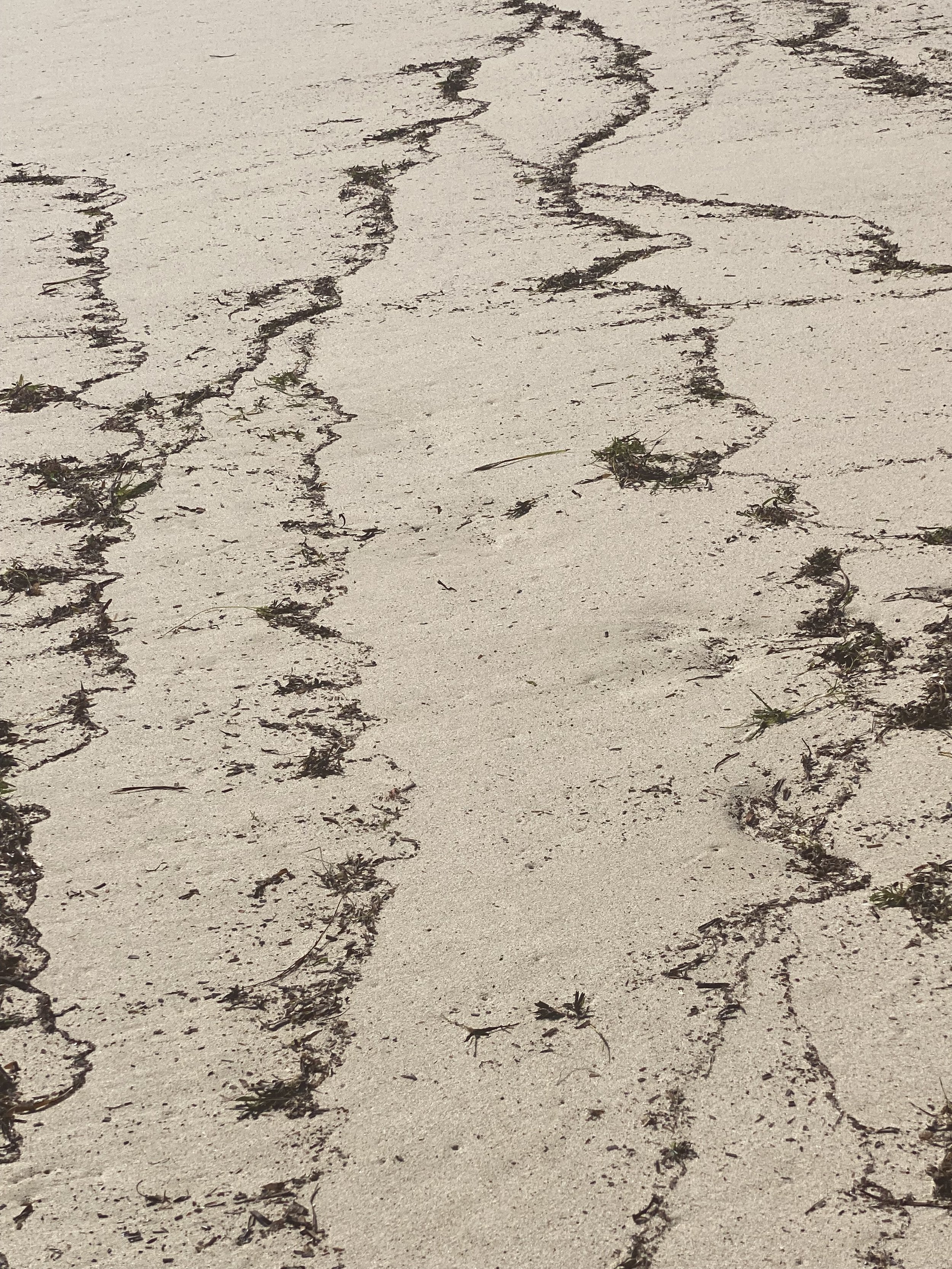
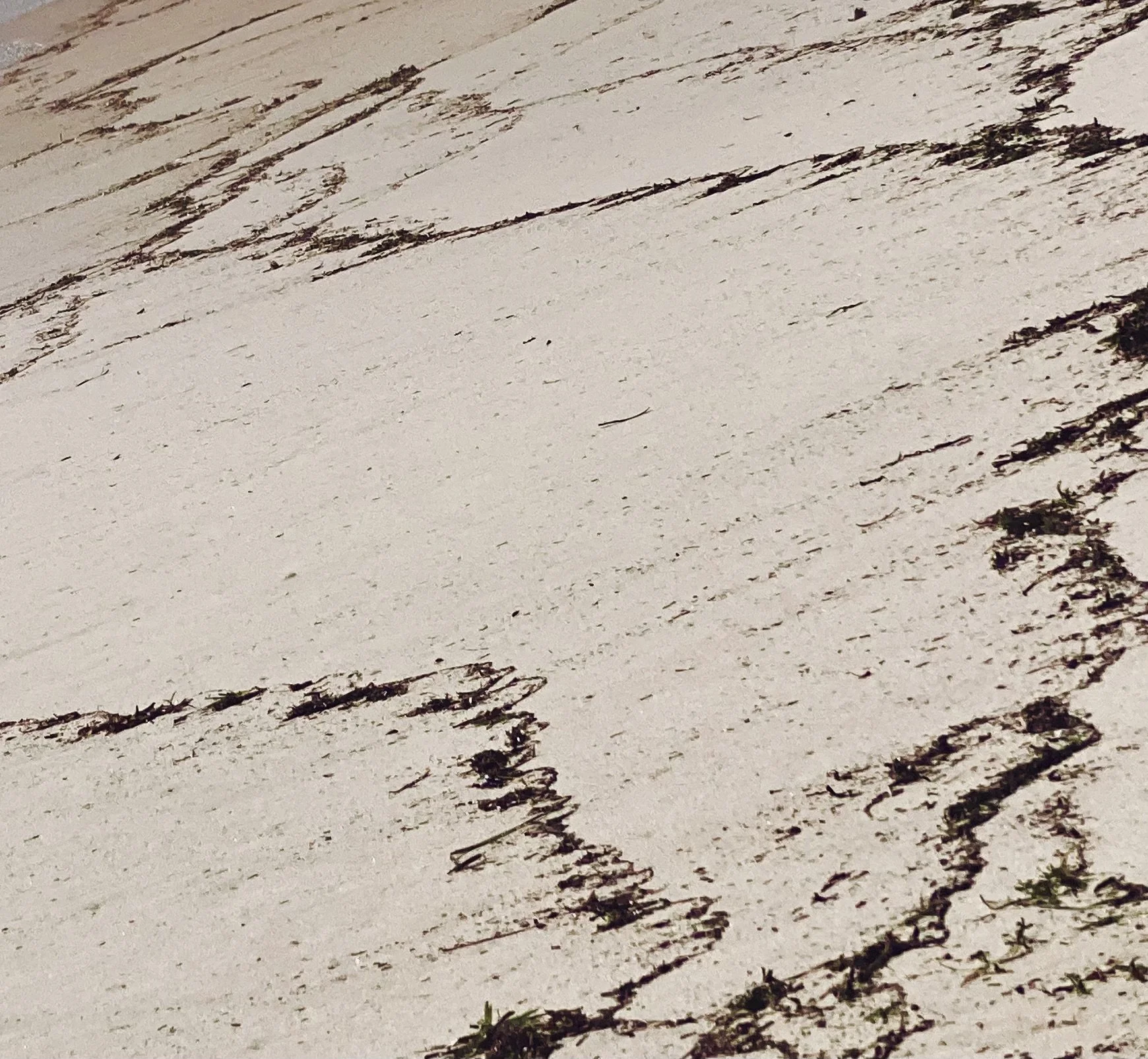
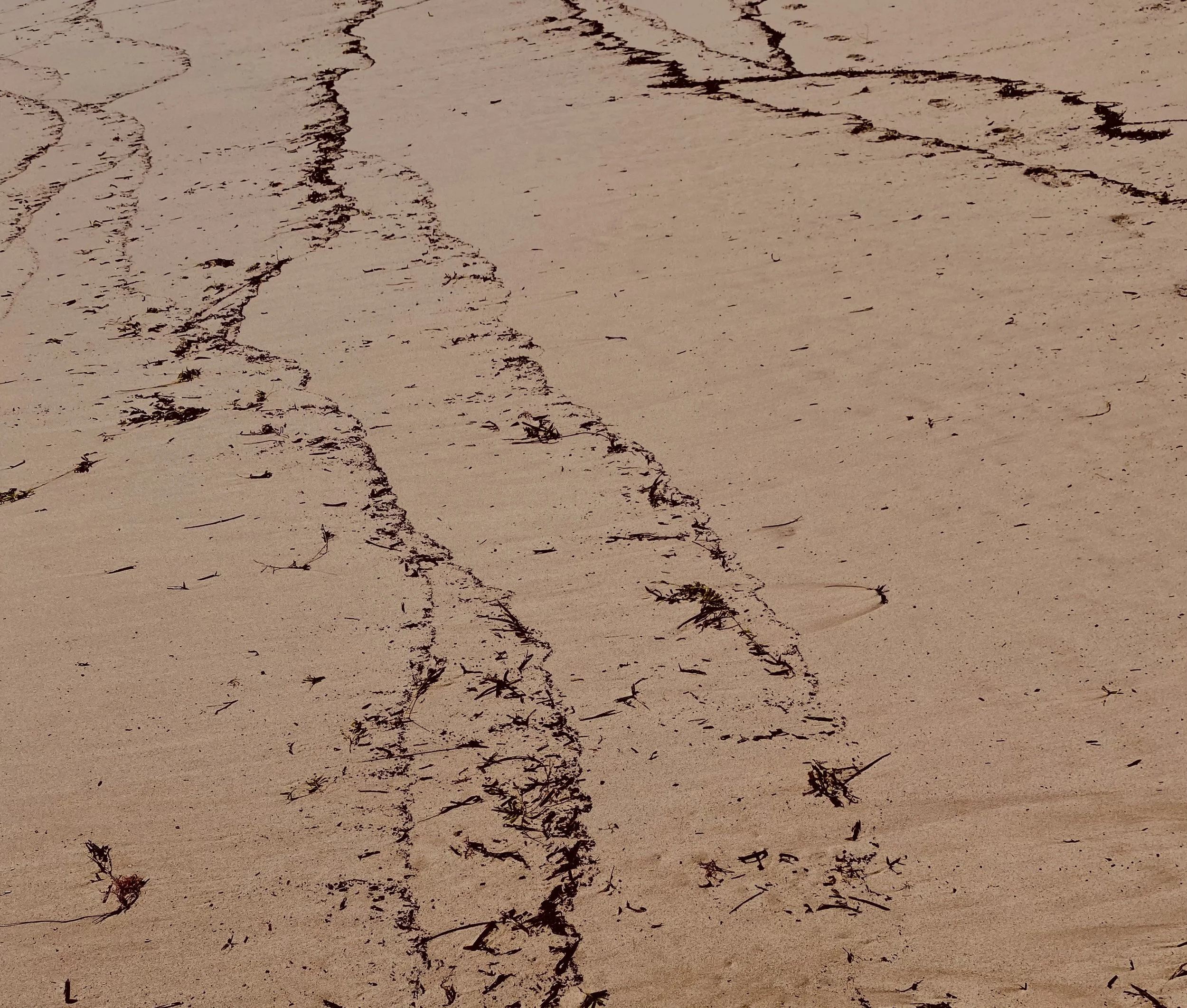
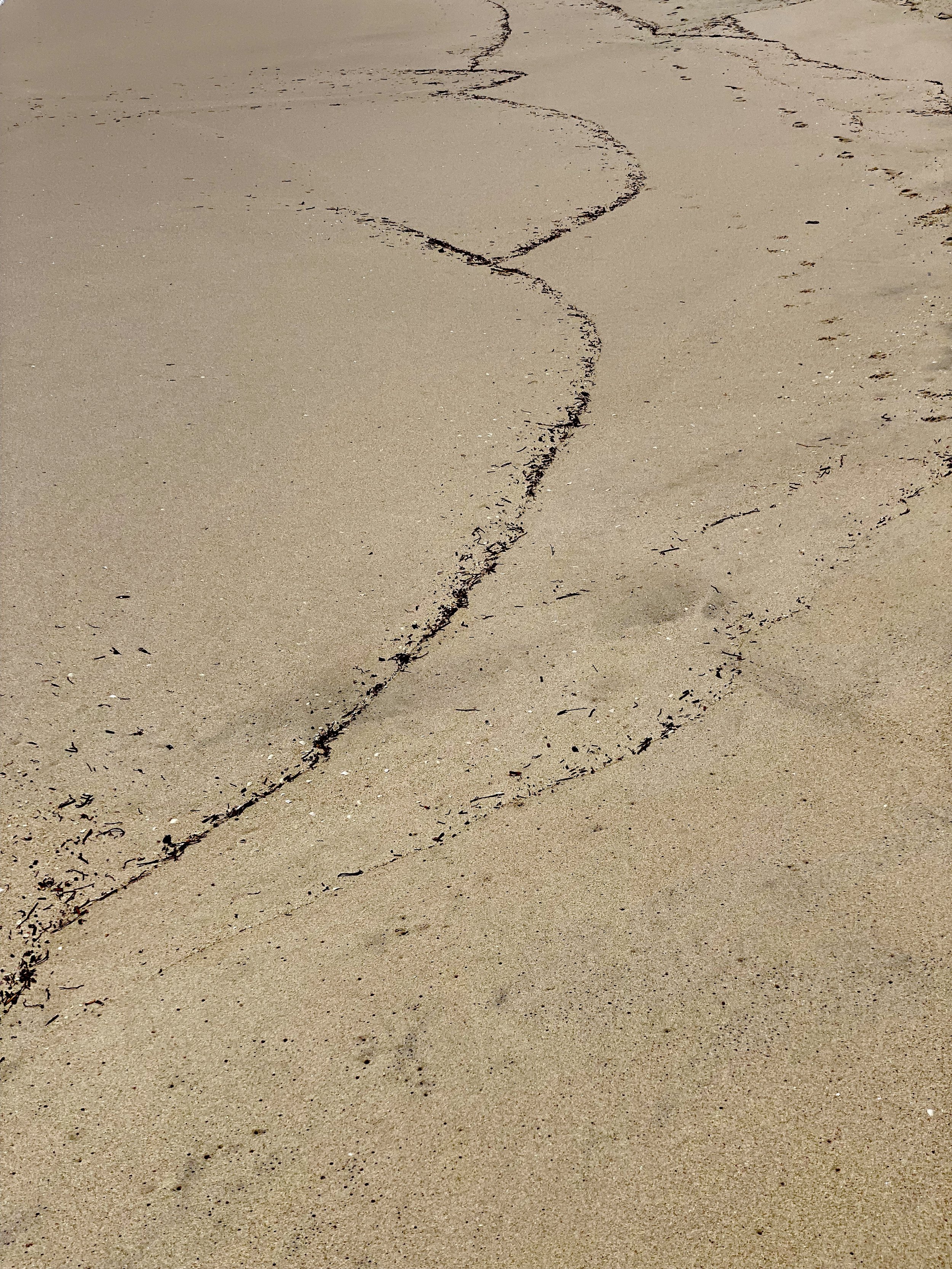
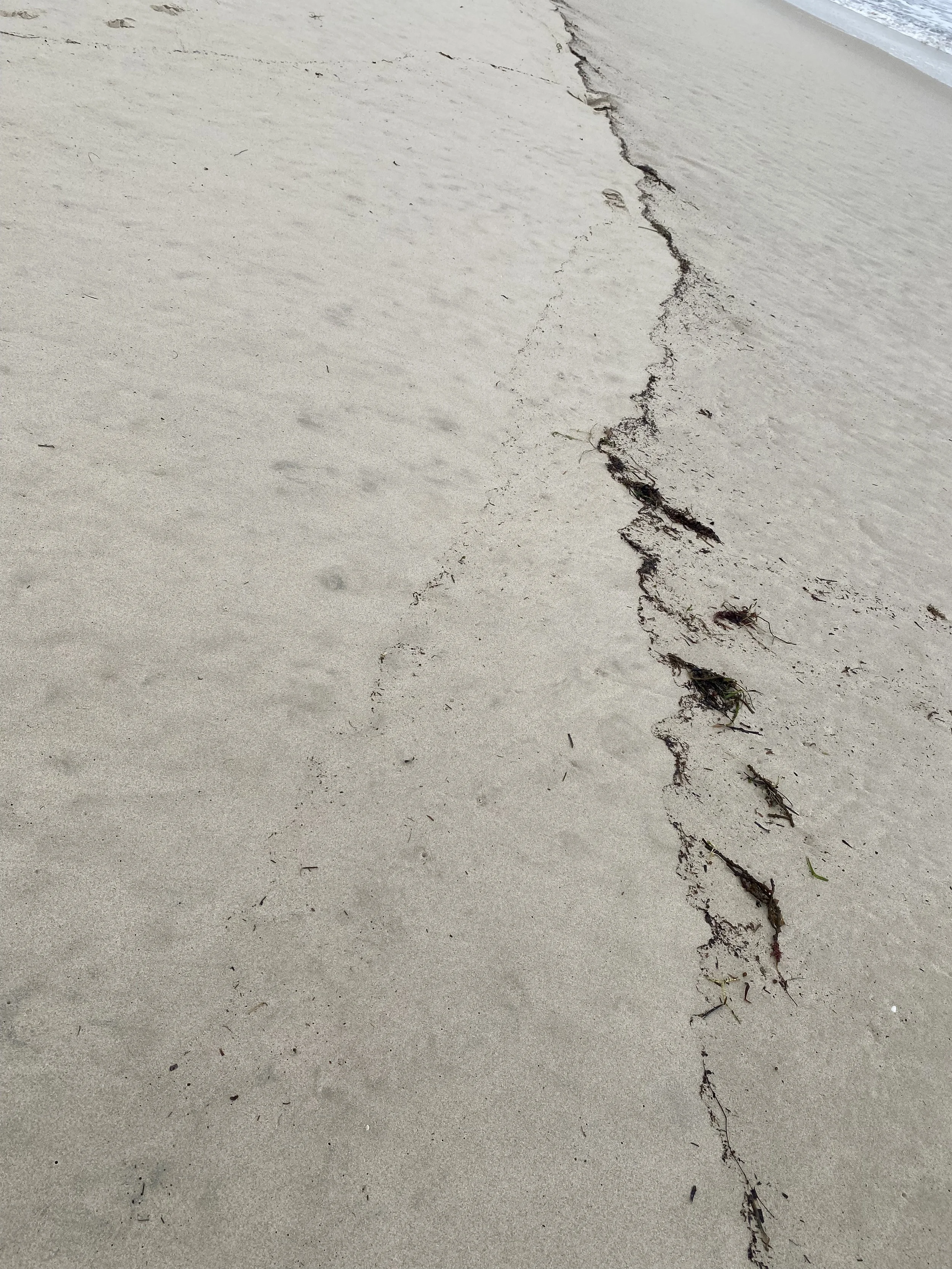
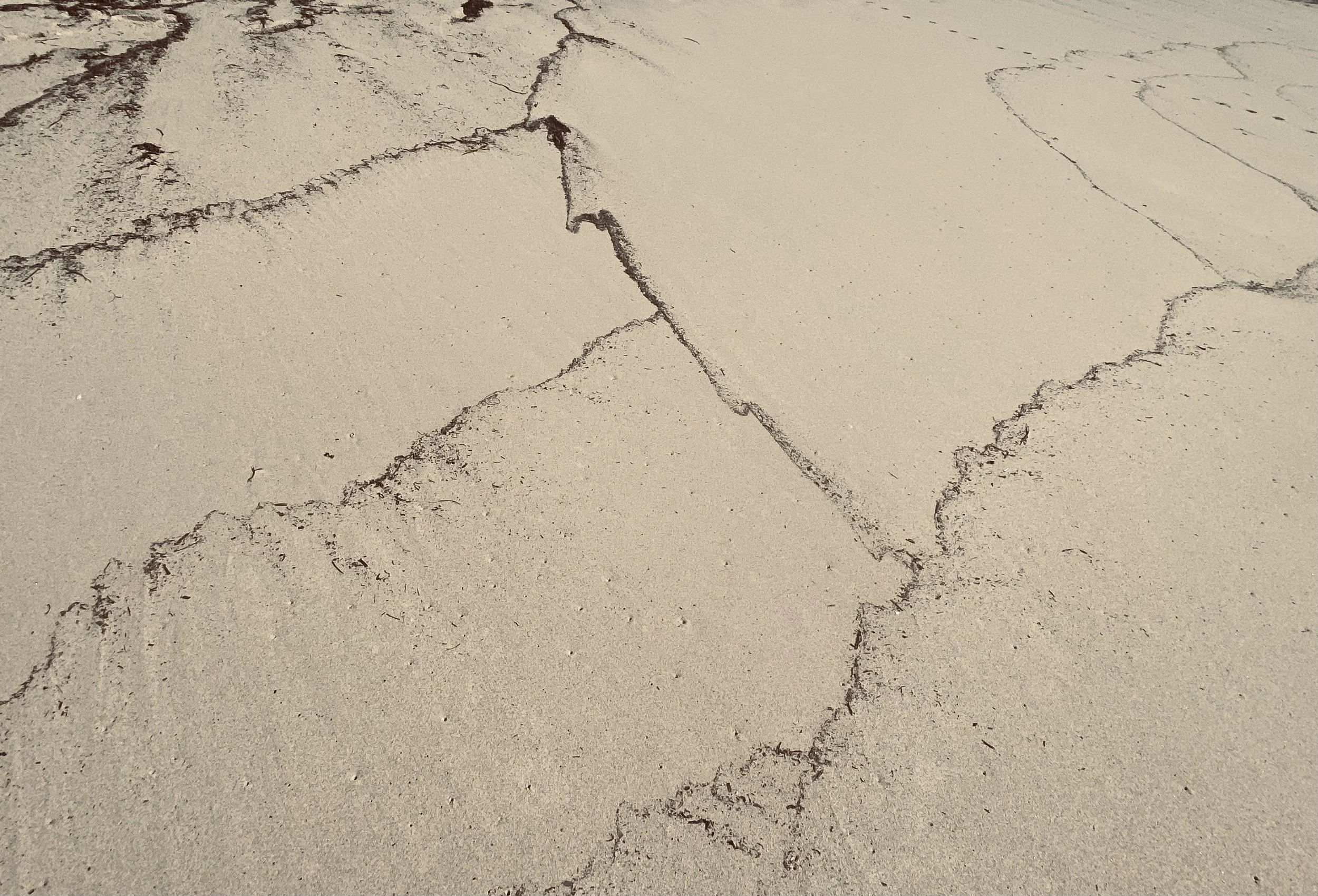
A fascinating daily study of the natural rhythms of nature as being observed during my daily walk along the beach. Peppermint Beach in South Western Australia was where I was fortunate enough to spend several weeks observing, photographing with my iPhone. The days became weeks became months time was seemingly endless whilst the cool weather prevailed during late winter, early spring, and the beach was all mine, empty, except for the random dog walker.
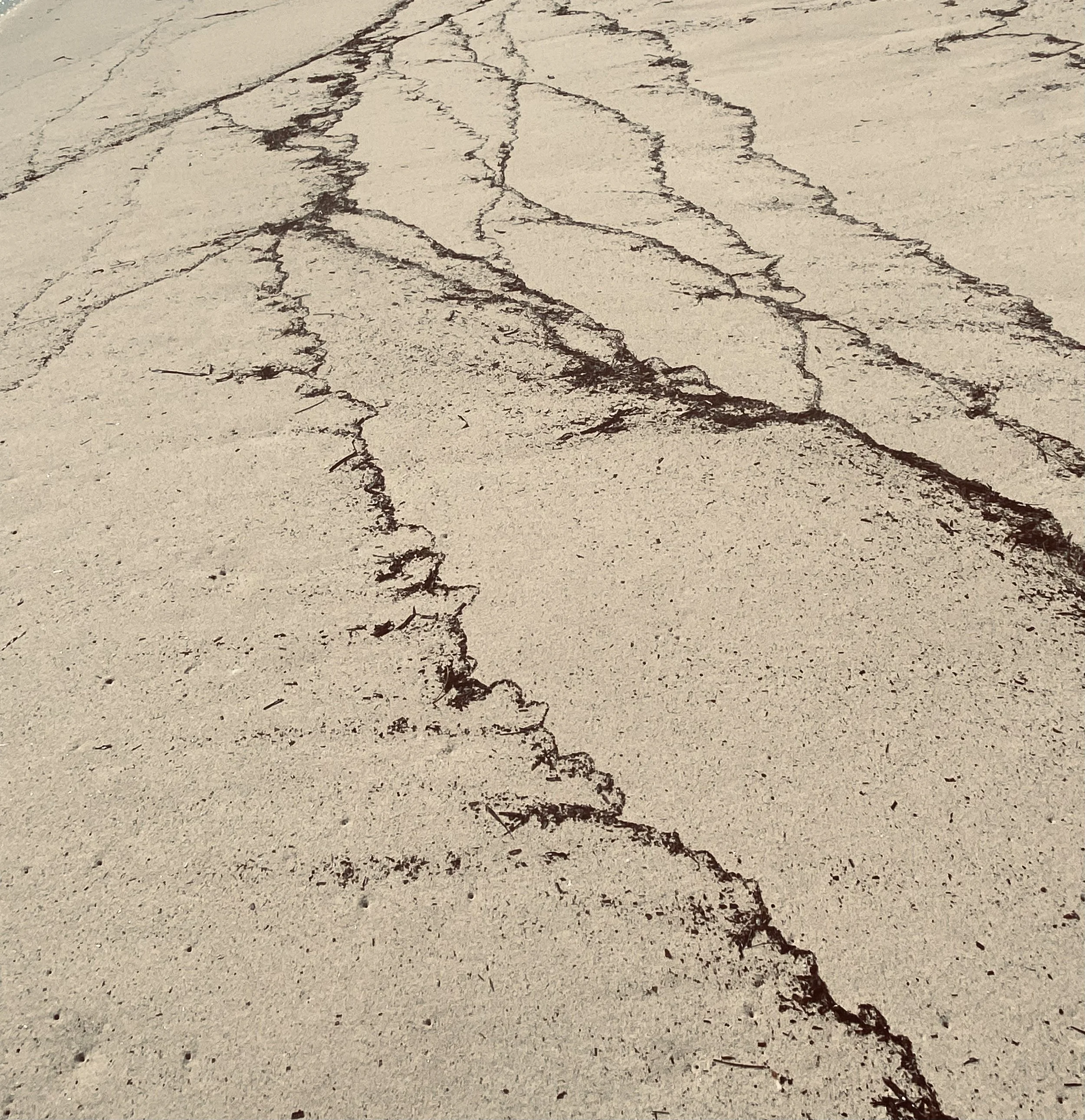
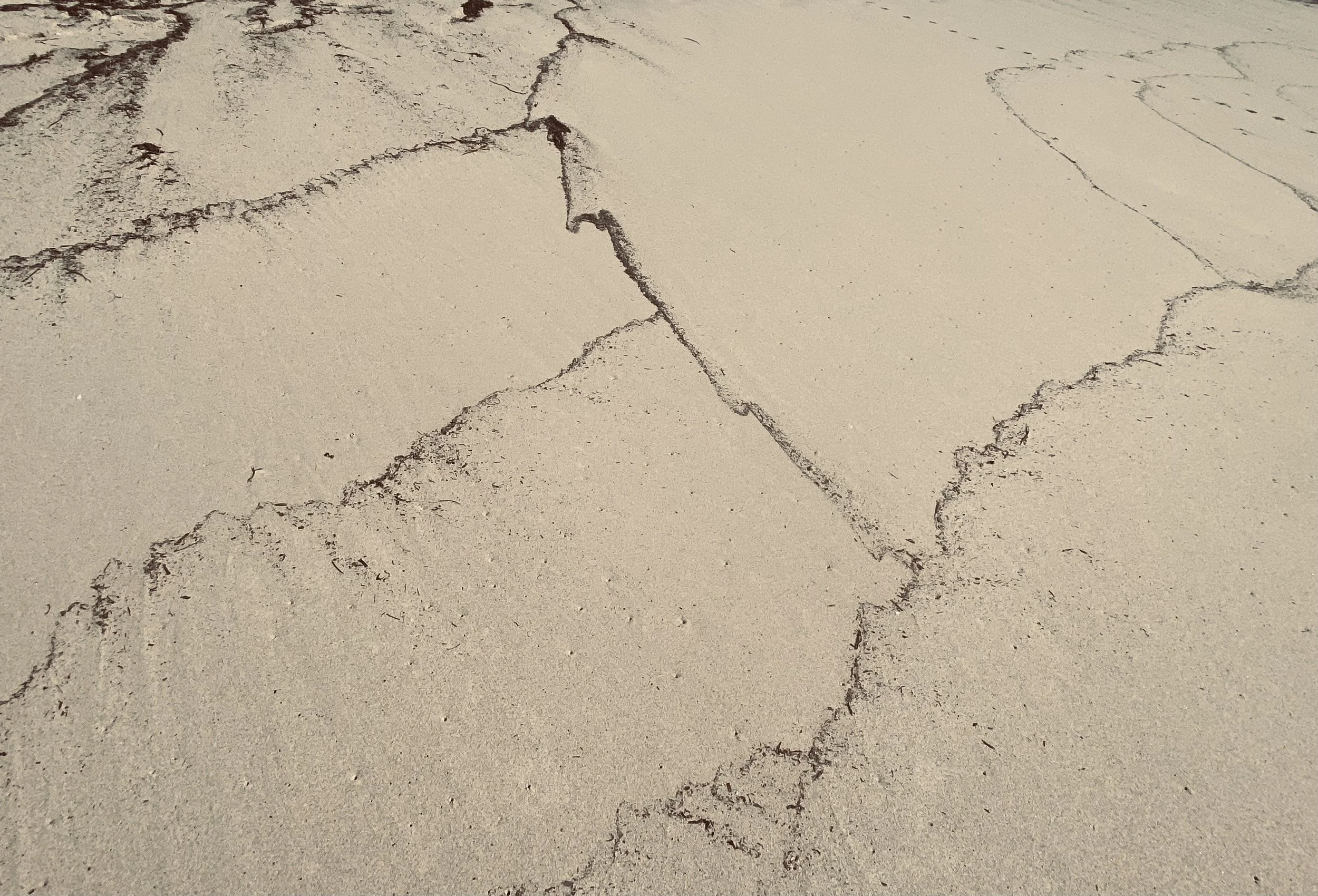
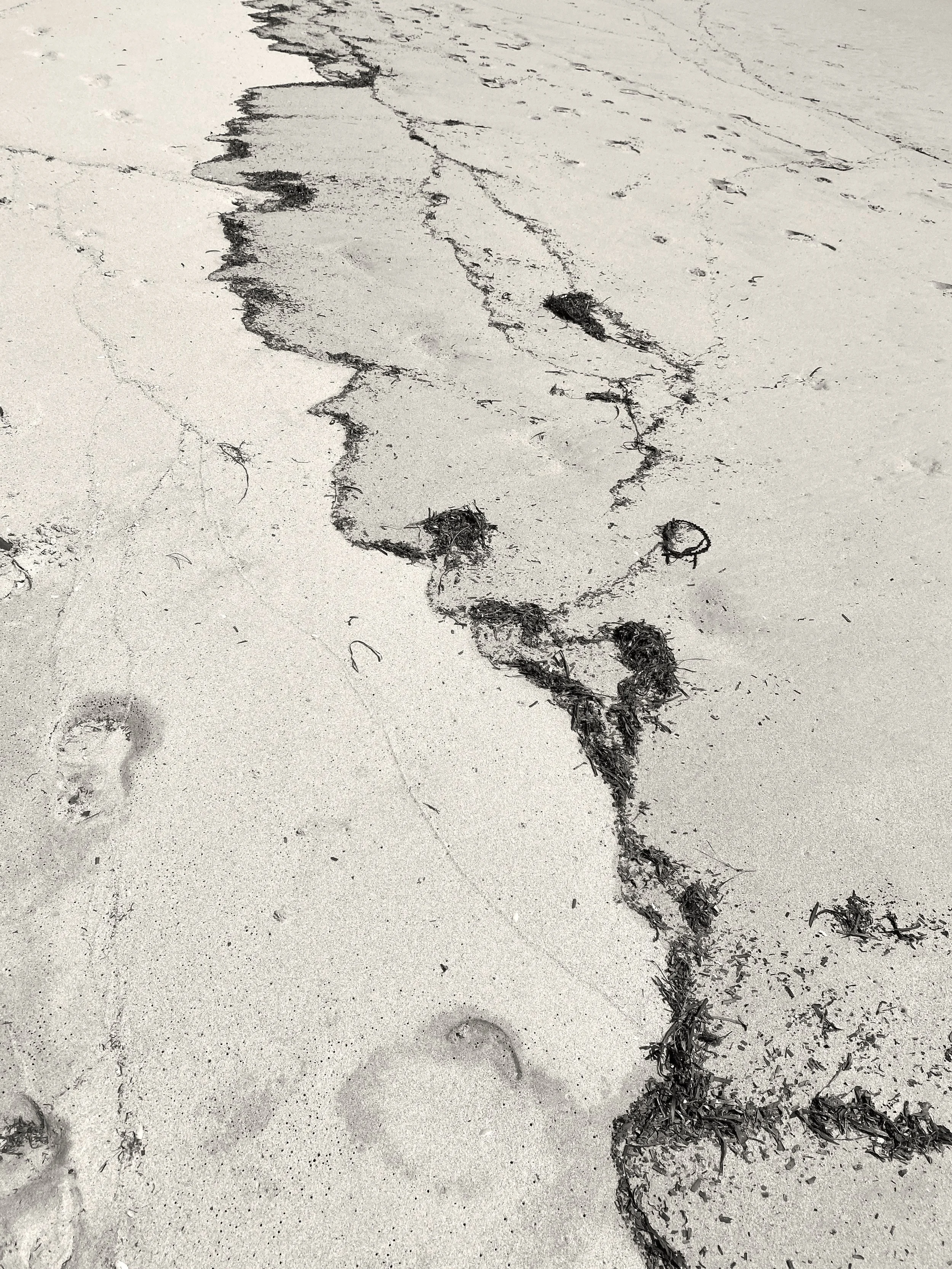
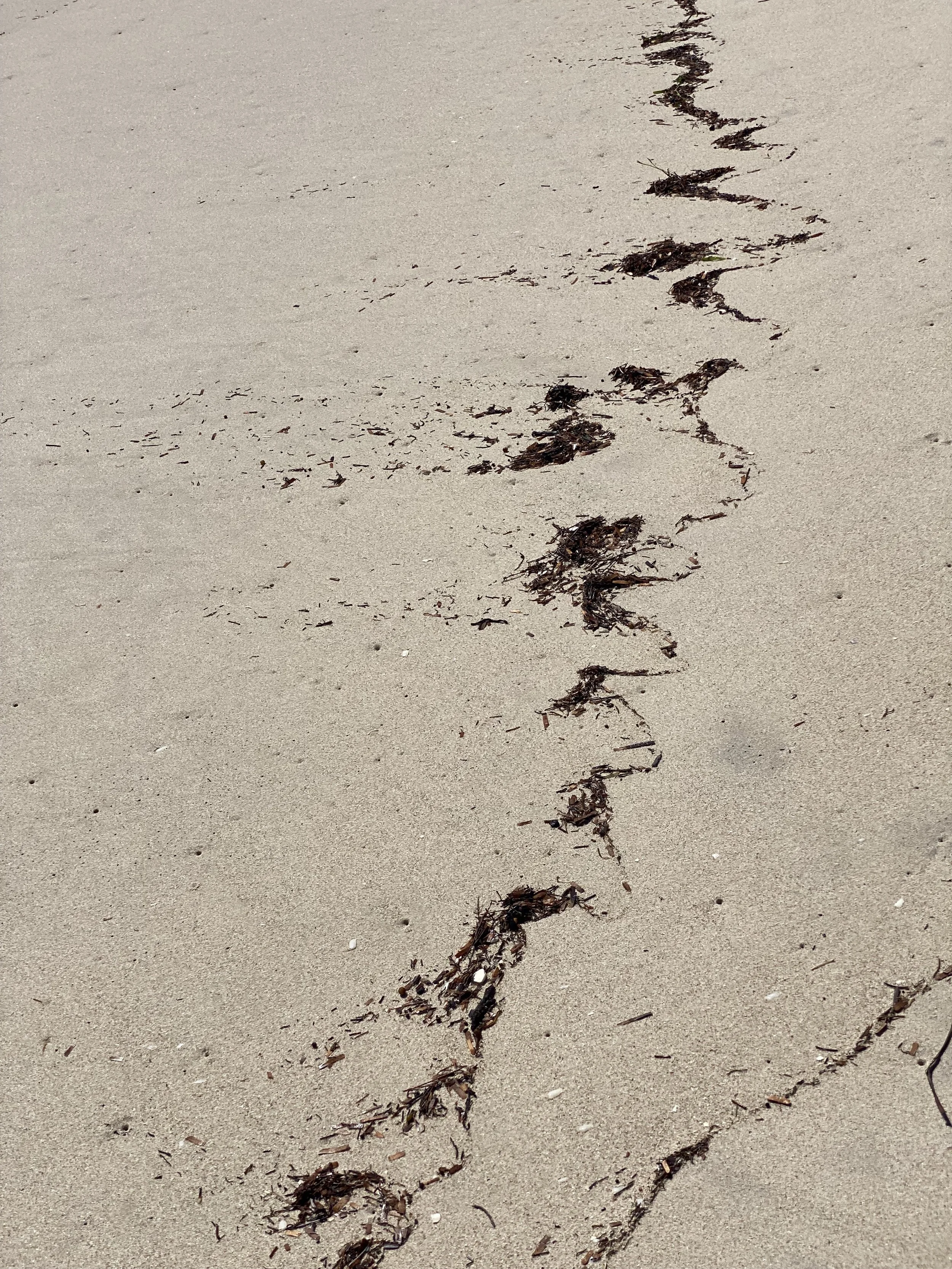
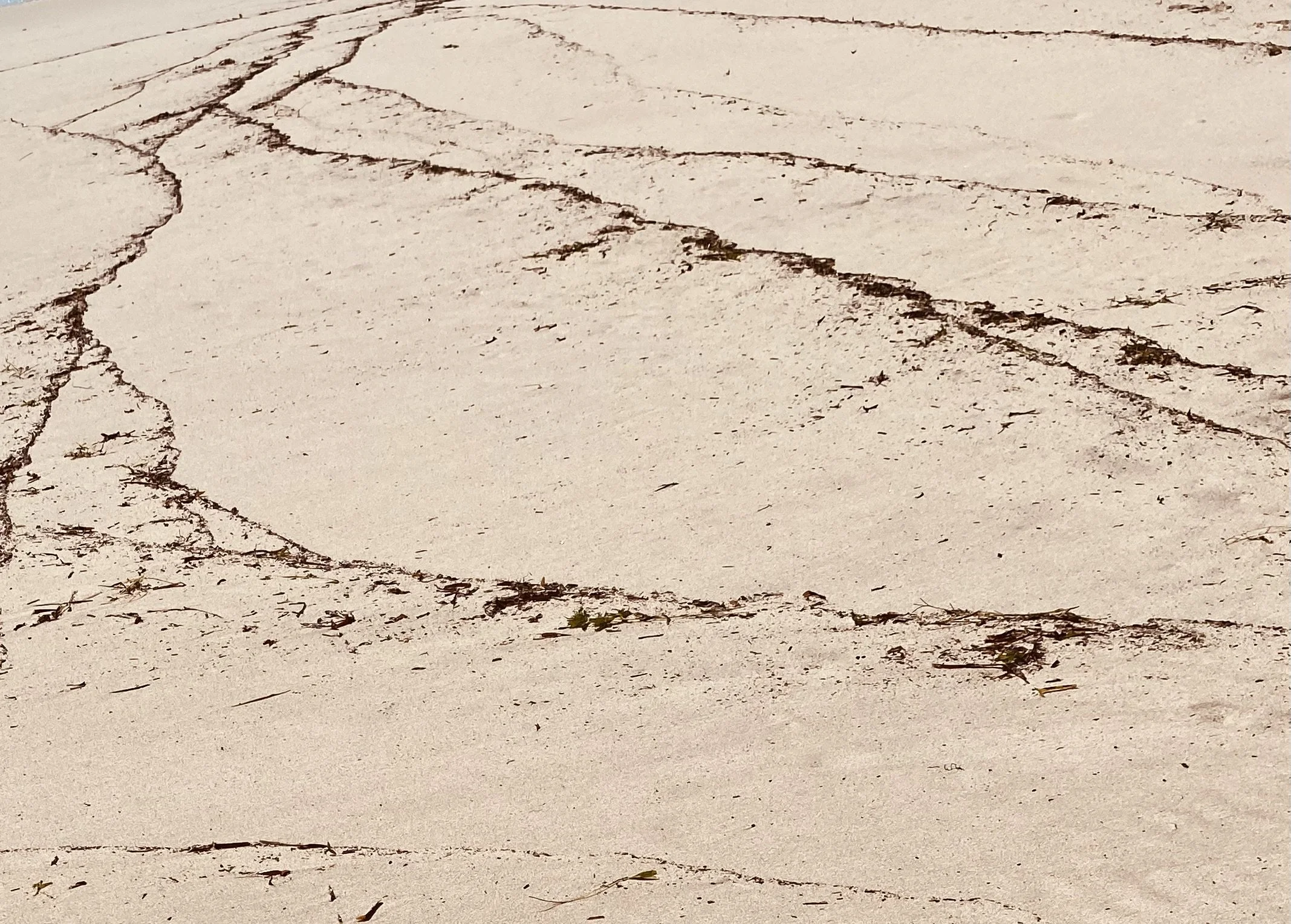
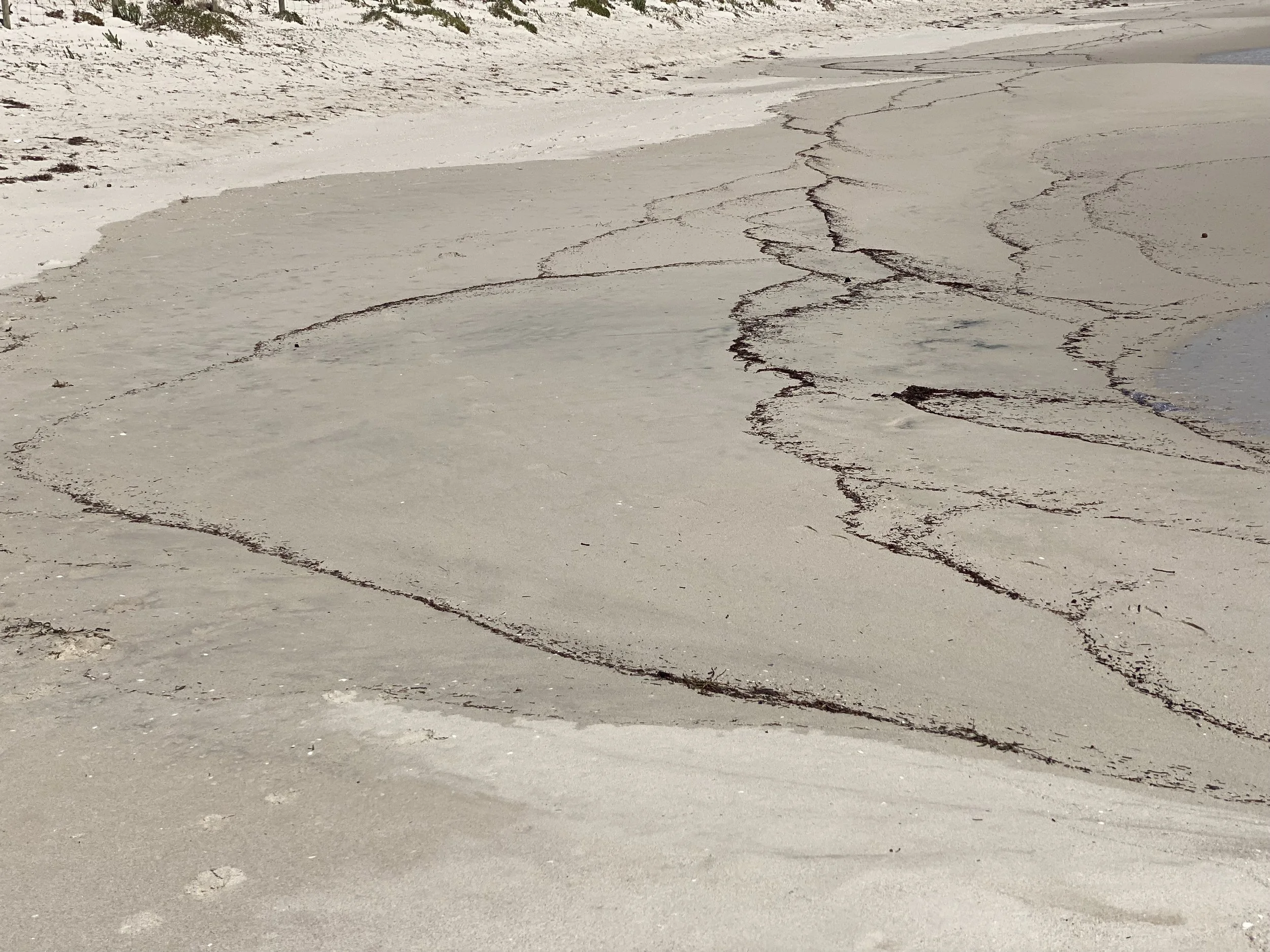
The seaweed known as “beach wrack’ washes up from the sea into the surf zone and onto the beach. While the majority of Beach wrack is made up of seagrass and seaweed, seaweed often dominates and the sheer abundance of wrack that occurs along the W.A. coastline has resulted in Western Australia becoming a world lead-in beach wrack research. What my artist’s eye observed was the whispy irregular patterning that appeared magically and in my eyes were expressive line drawings of many variations that scattered across the beach left remaining after the high tide had withdrawn.
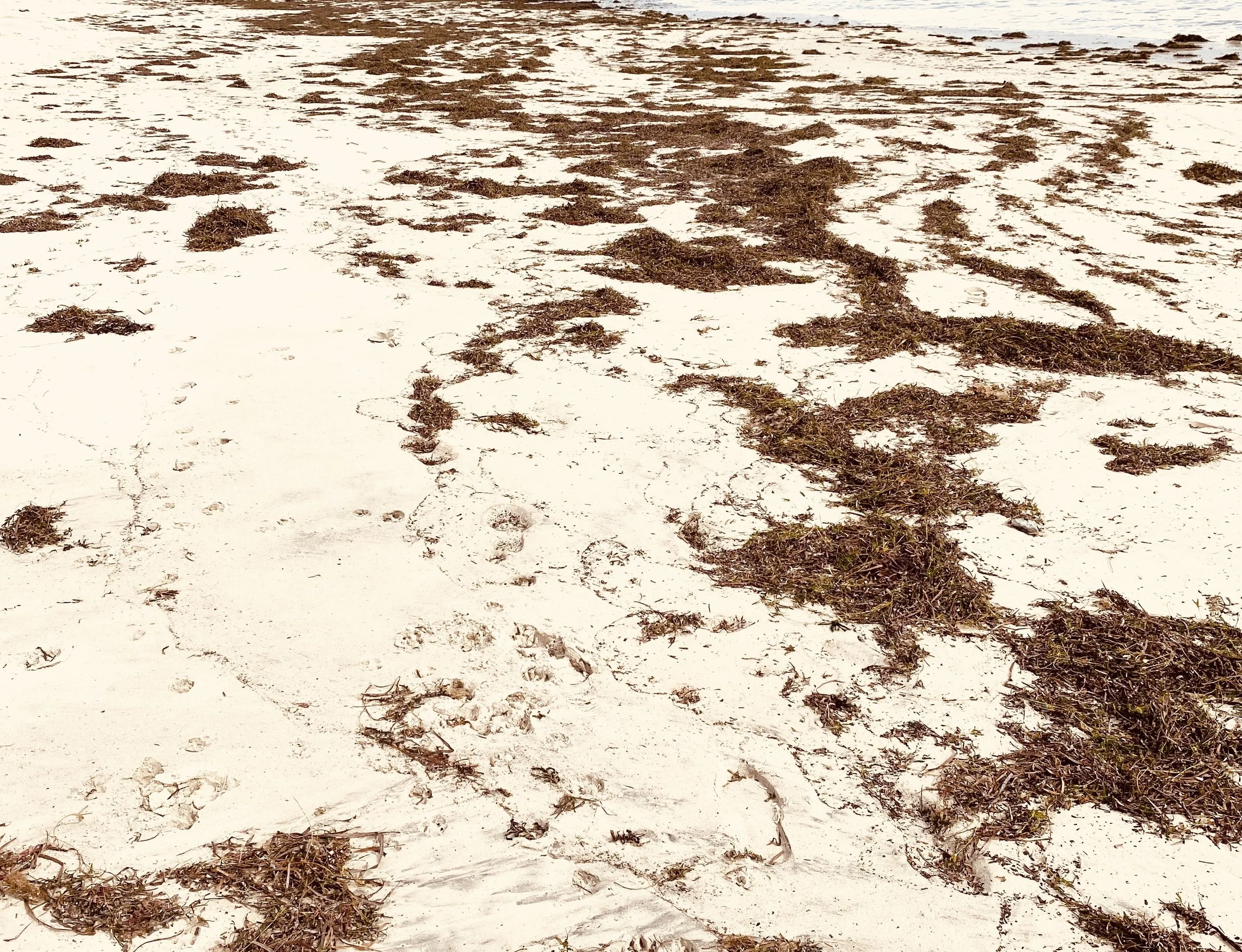
Seaweed
Bigger than Manhattan, Earth's largest living organism sways in the surf south of Australia. Posidonia australis - a species of seagrass that unable to flower, clones itself. Older than mathematics and the written word, it has been cloning itself since before the pyramids were built - a kind of immortality. Via Maria Popova
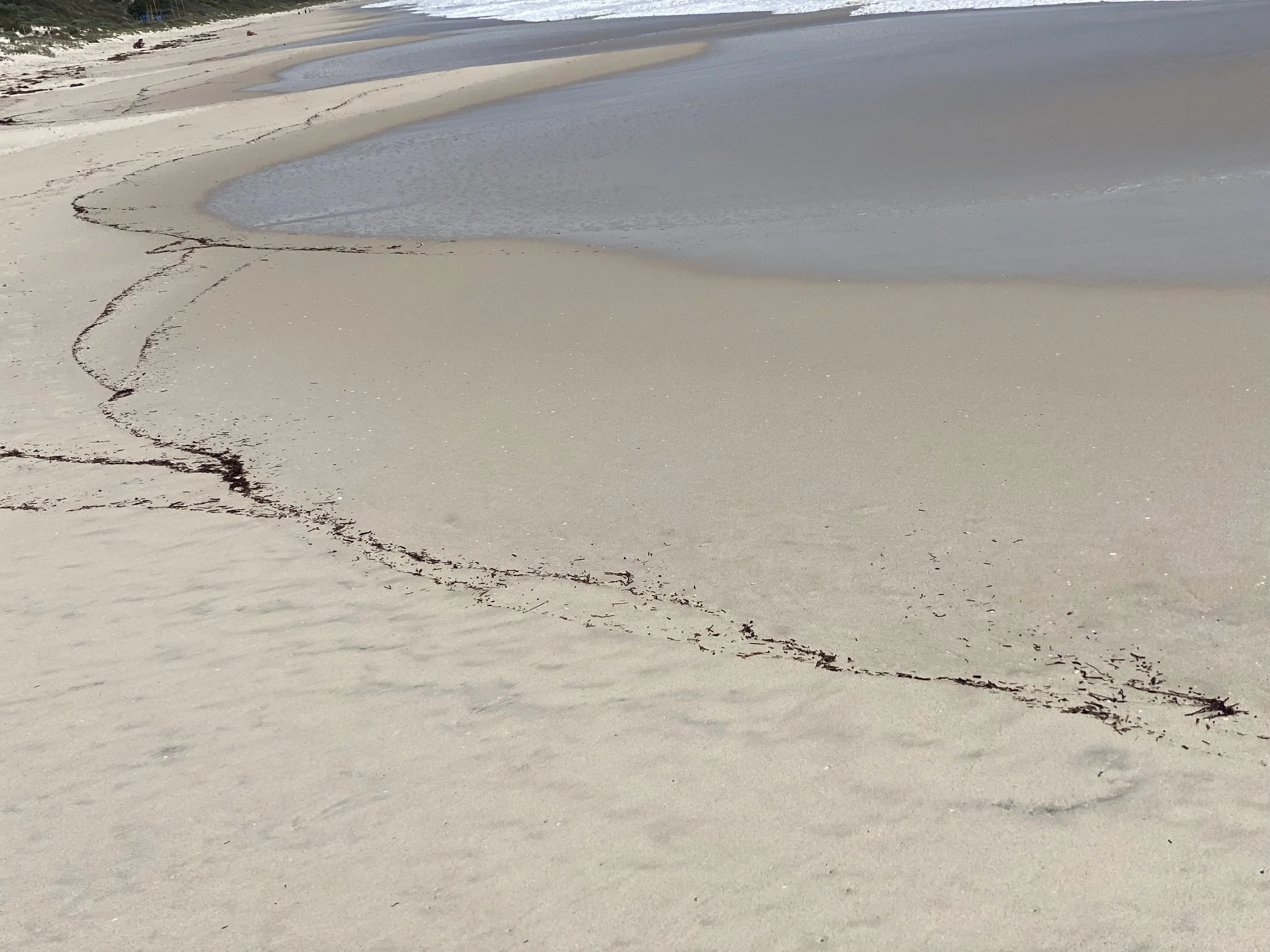
Image : Marlene Sarroff / Peppermint Grove Beach Western Australia
THE TIDES ARE EVERYTHING :
Tides are one of the most reliable phenomena in the world. As the sun rises in the east and the stars come out at night, we are confident that the ocean waters will regularly rise and fall along our shores.Tides are very long-period waves that move through the ocean in response to the forces exerted by the moon and sun. Tides originate in the ocean and progress toward the coastlines where they appear as the regular rise and fall of the sea surface. When the highest part, or crest, of the wave reaches a particular location, high tide occurs; low tide corresponds to the lowest part of the wave, or its trough. The difference in height between the high tide and the low tide is called the tidal range. Most coastal areas, with some exceptions, experience two high tides and two low tides every day. Almost everyone is familiar with the concept of a 24-hour solar day, which is the time that it takes for a specific site on the Earth to rotate from an exact point under the sun to the same point under the sun.
Via: https://oceanservice.noaa.gov/education/tutorial_tides/tides07_cycles.html
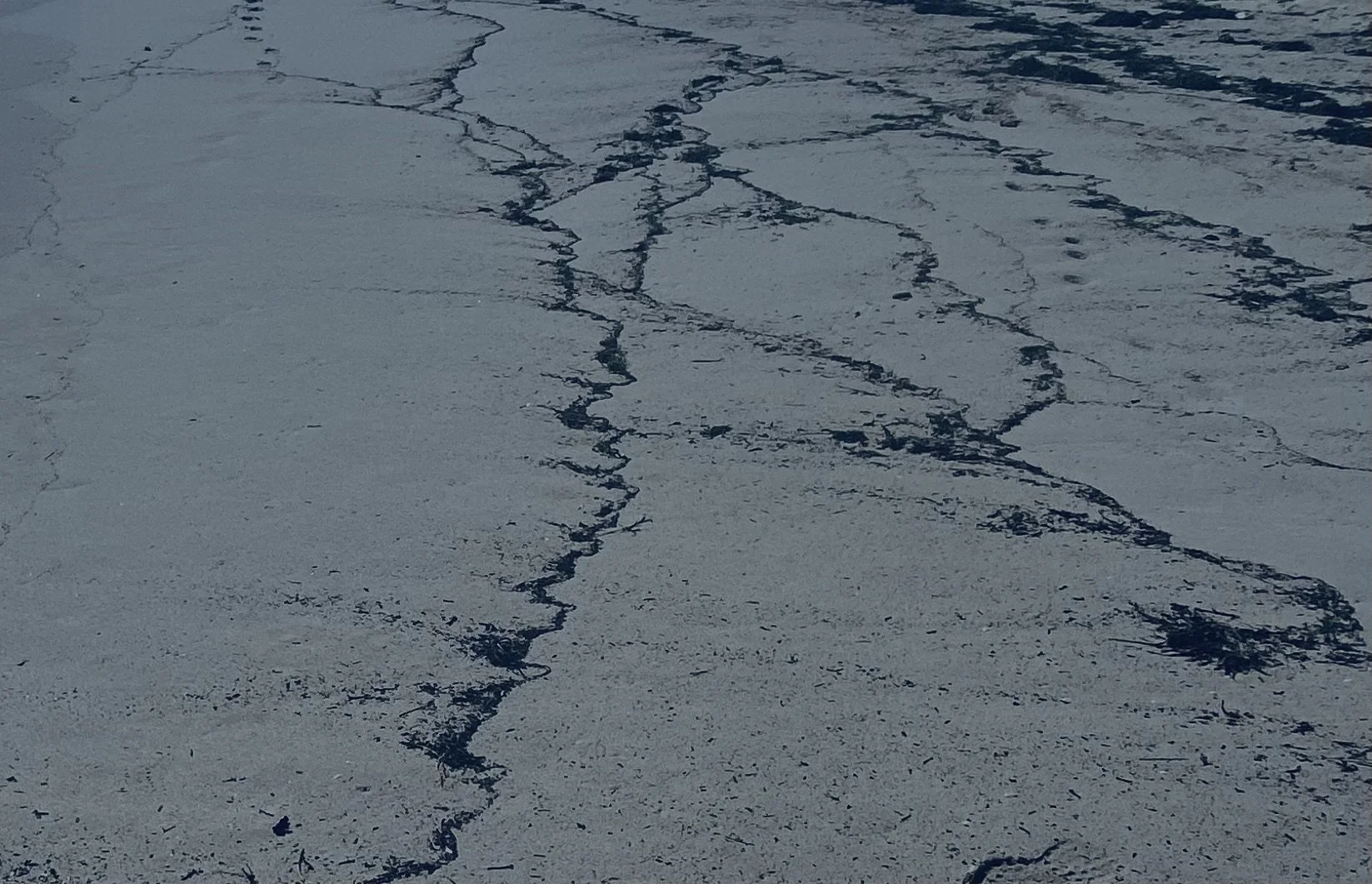
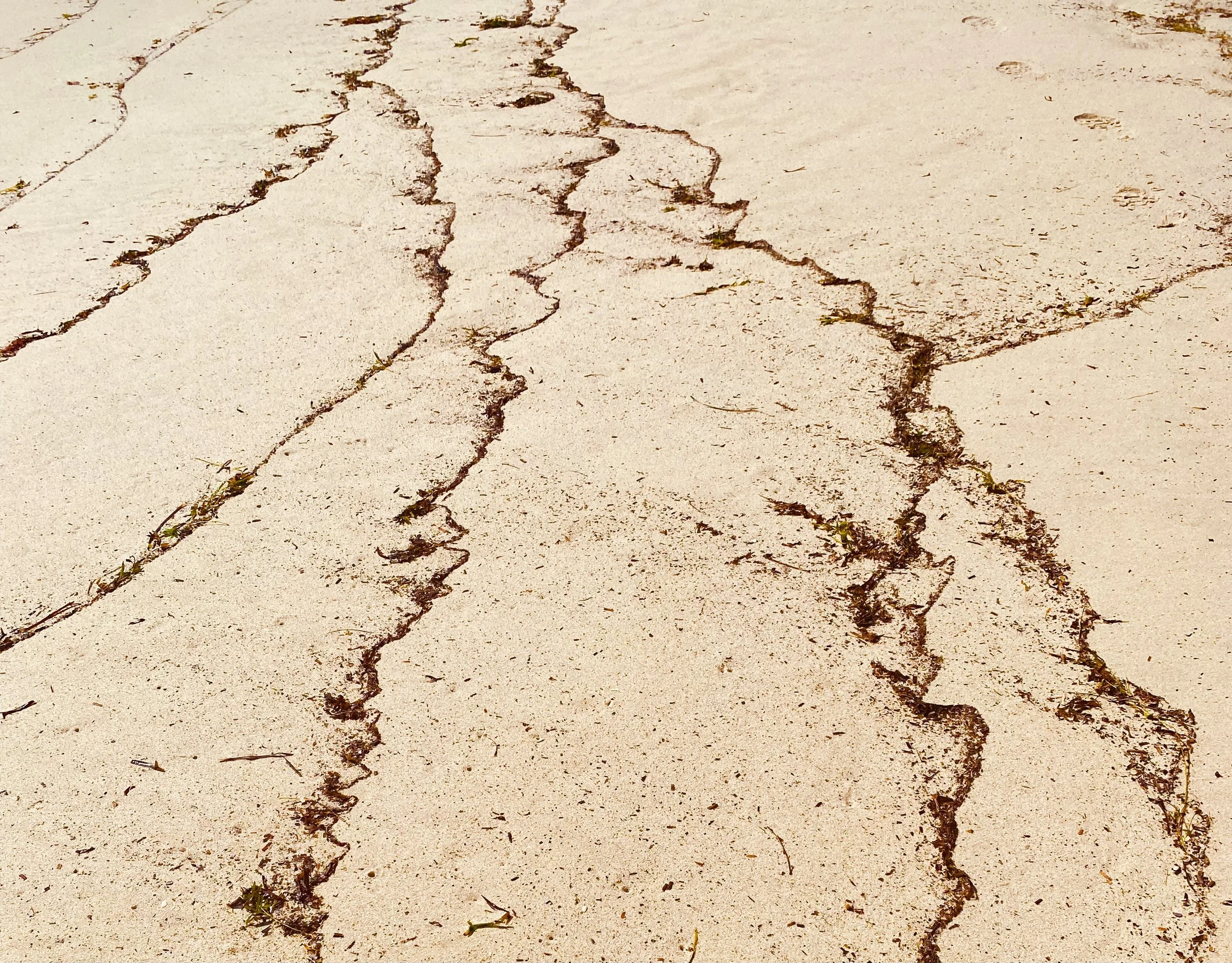
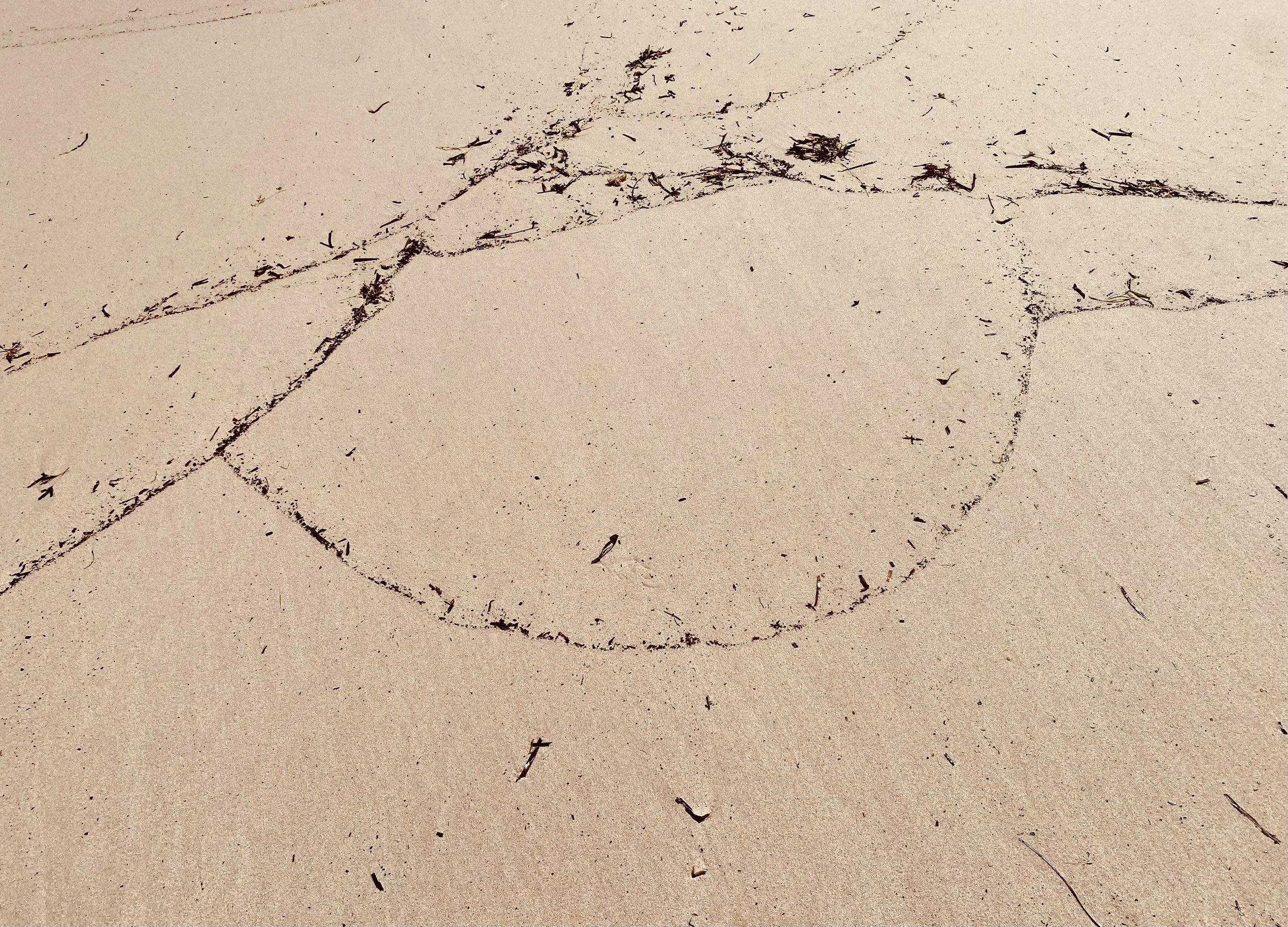
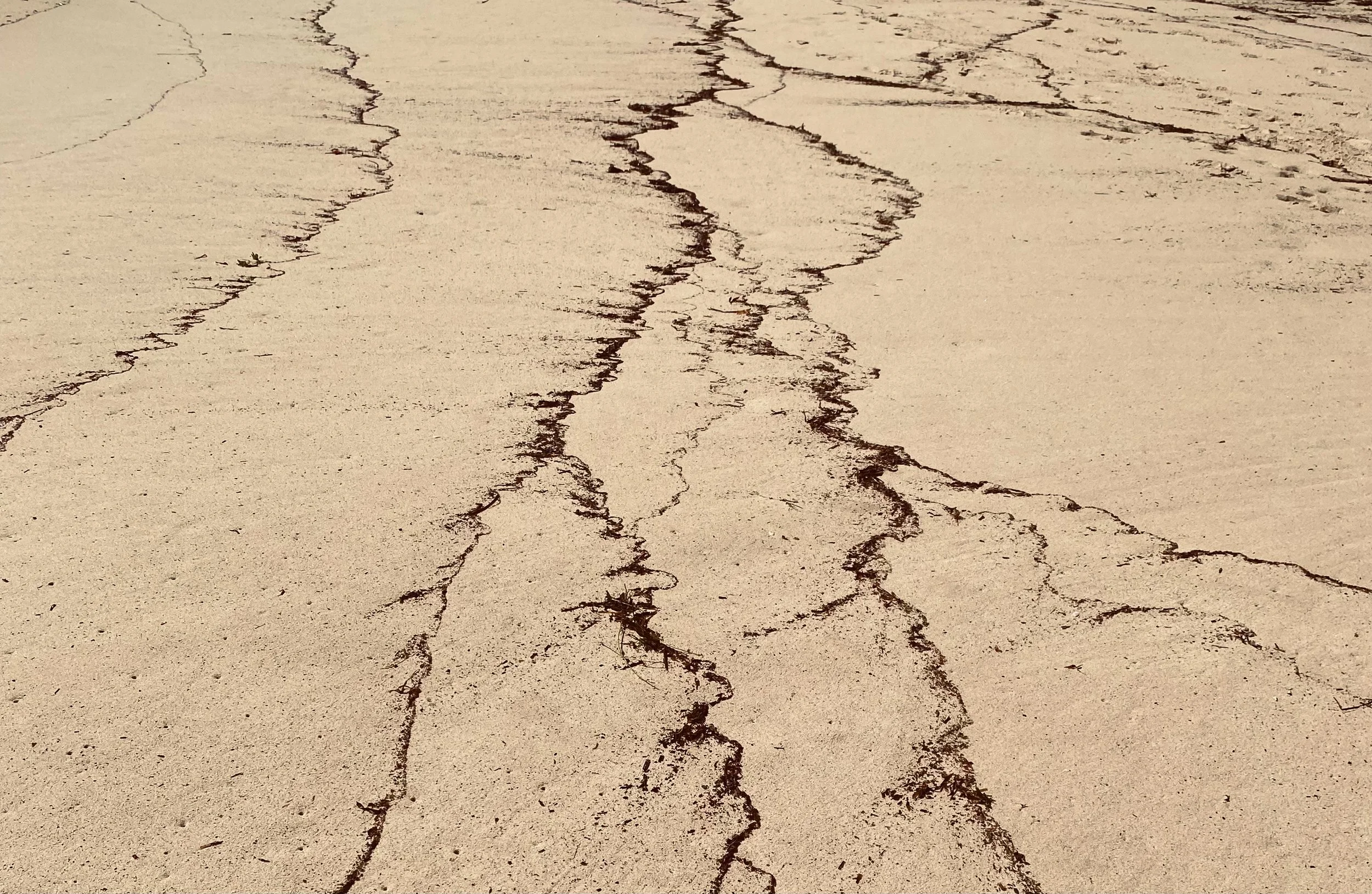
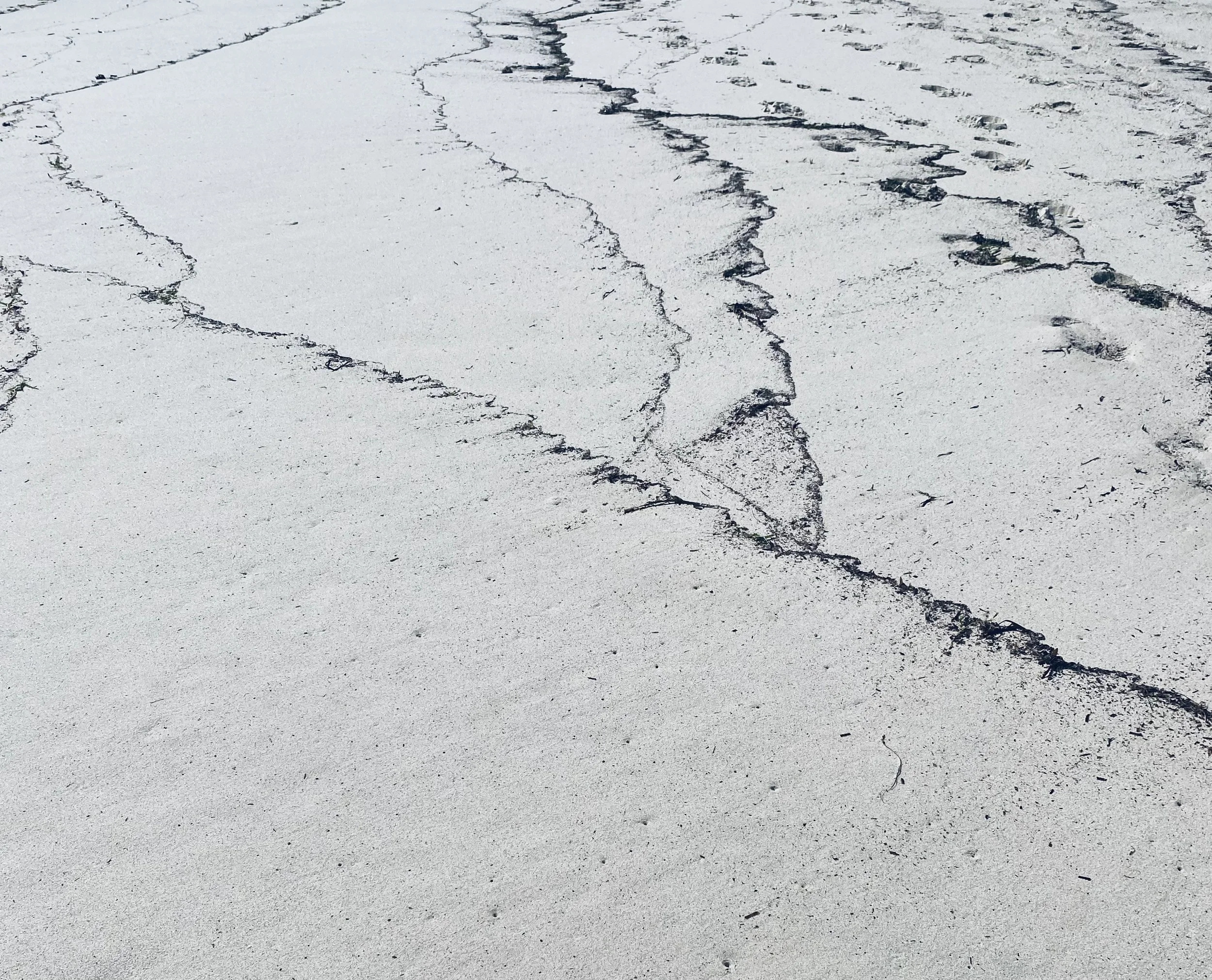
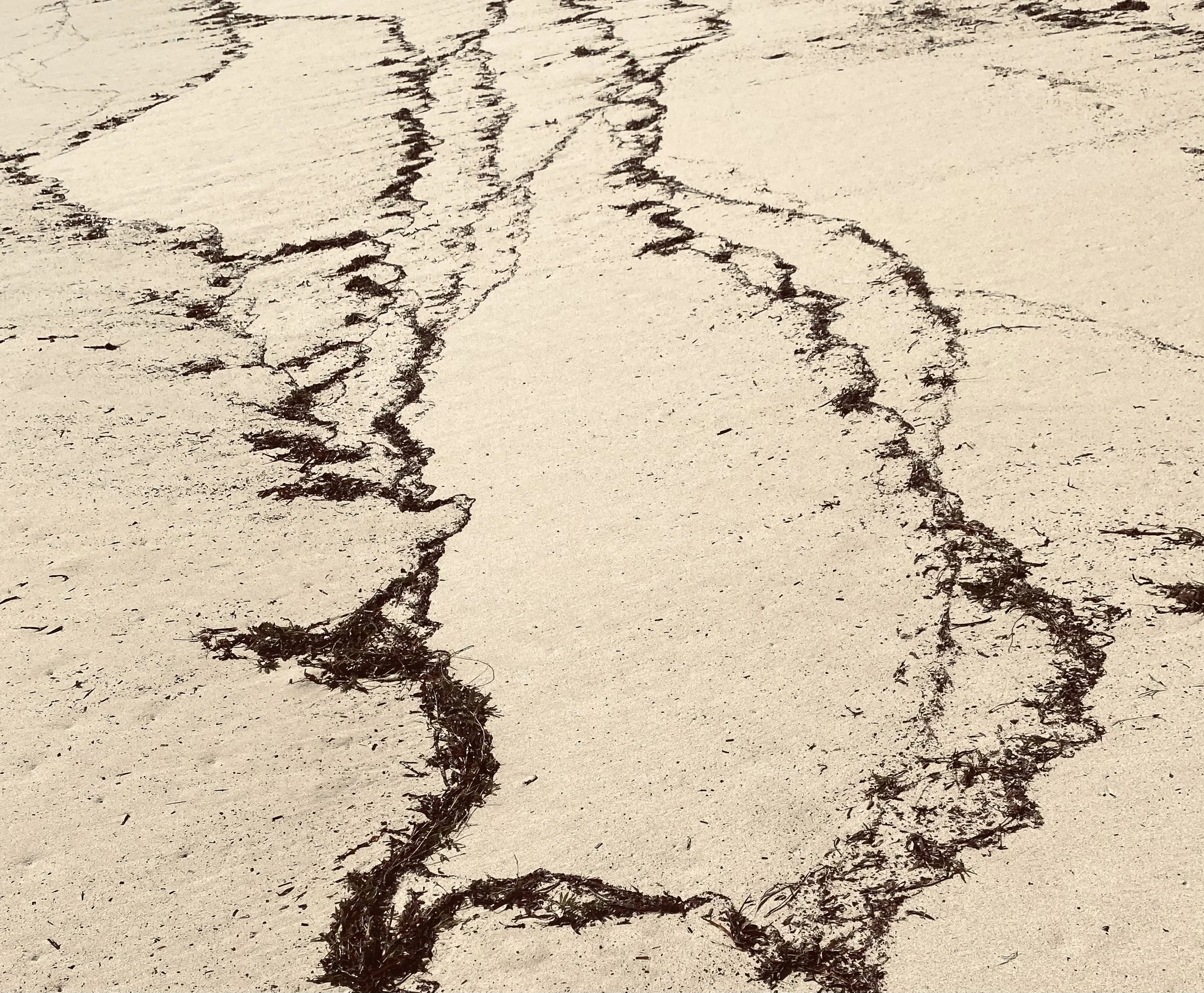


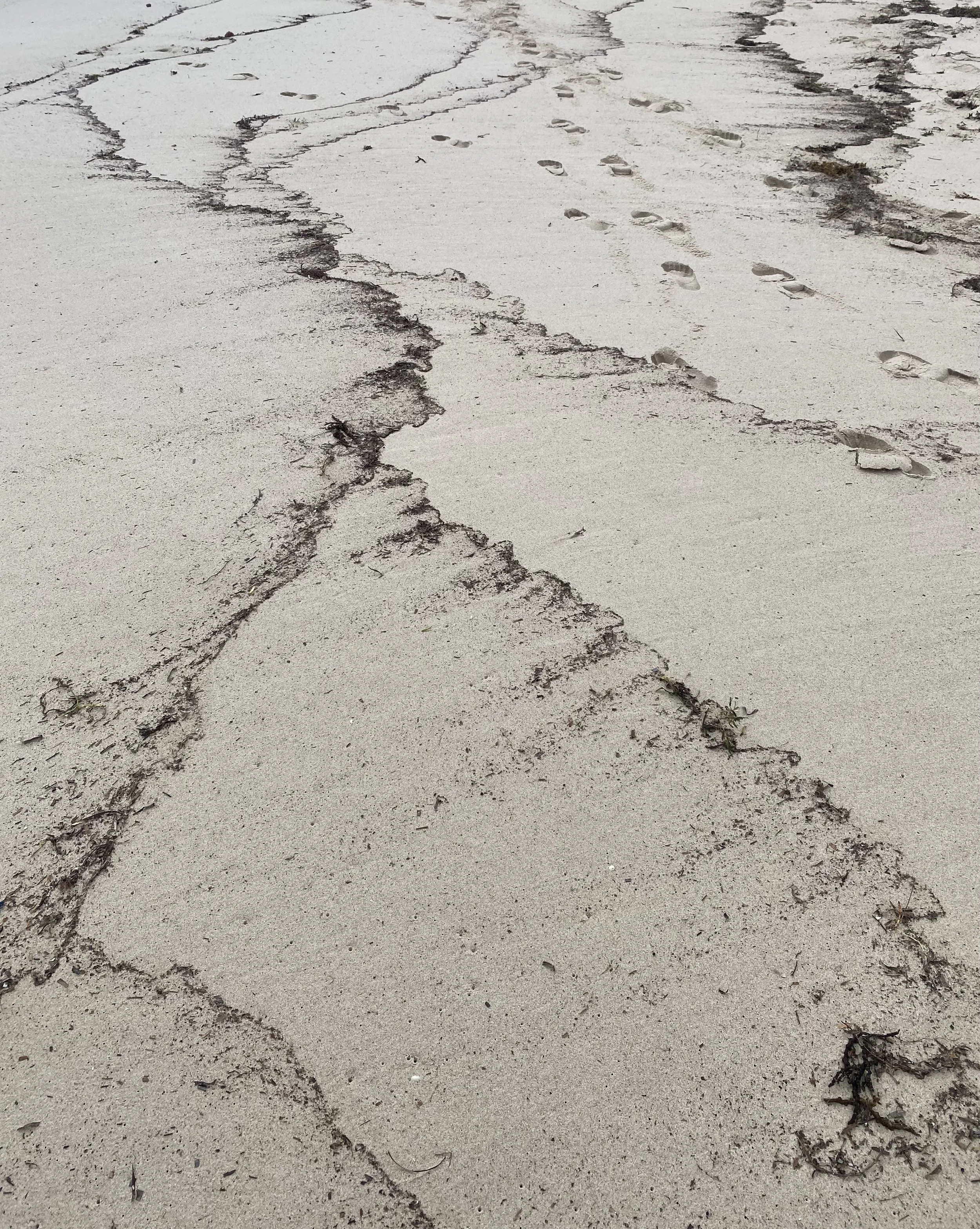
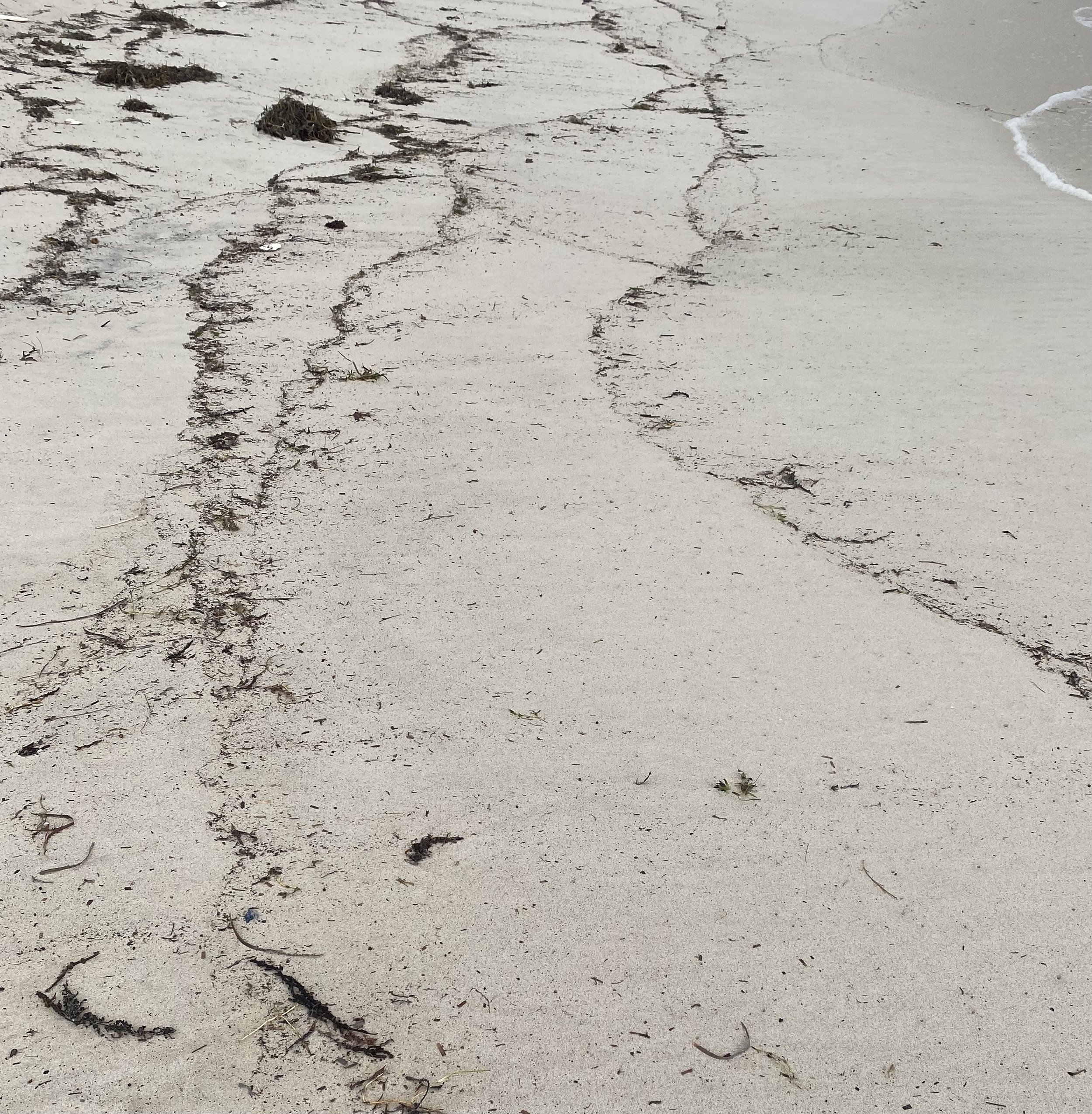
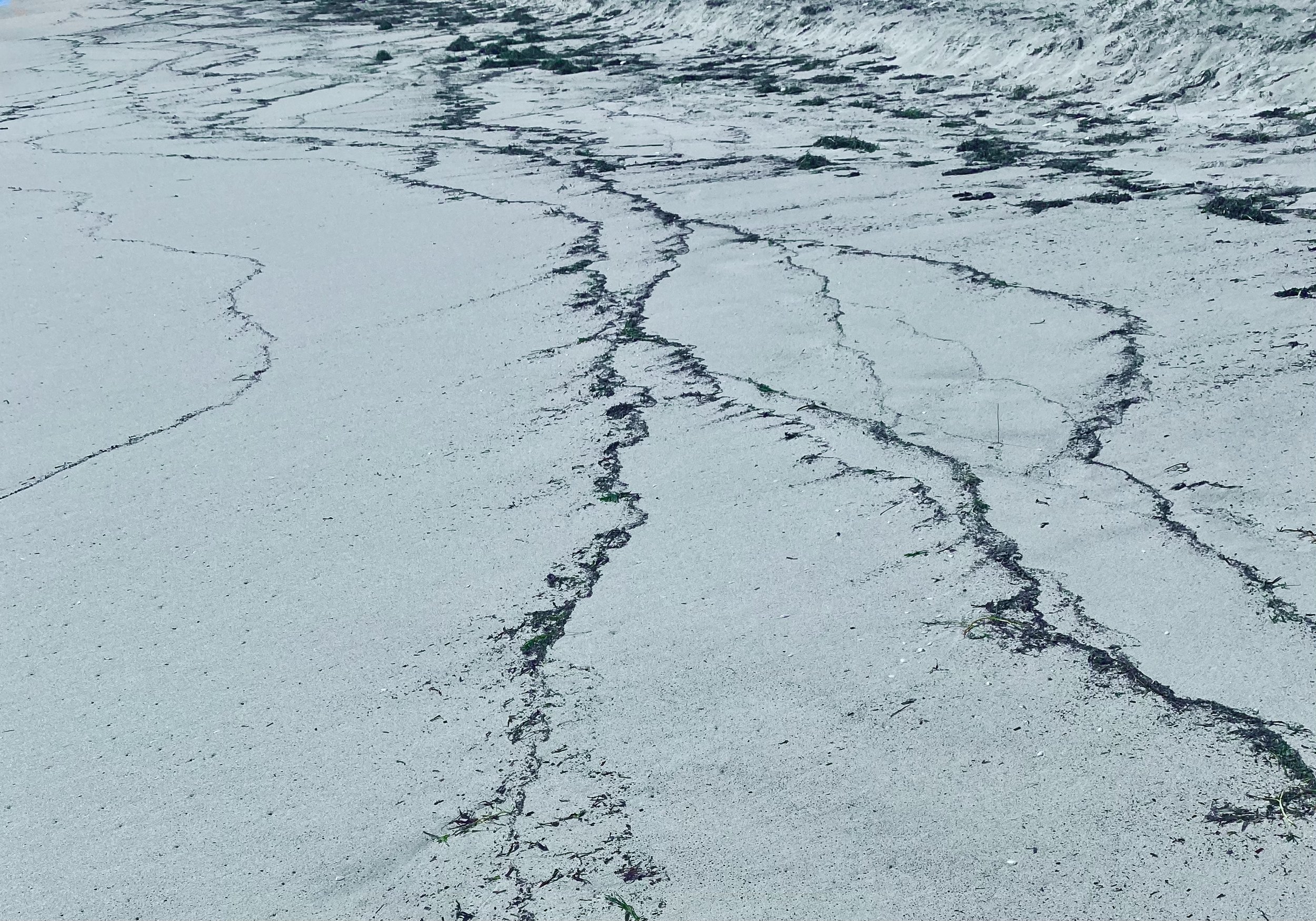
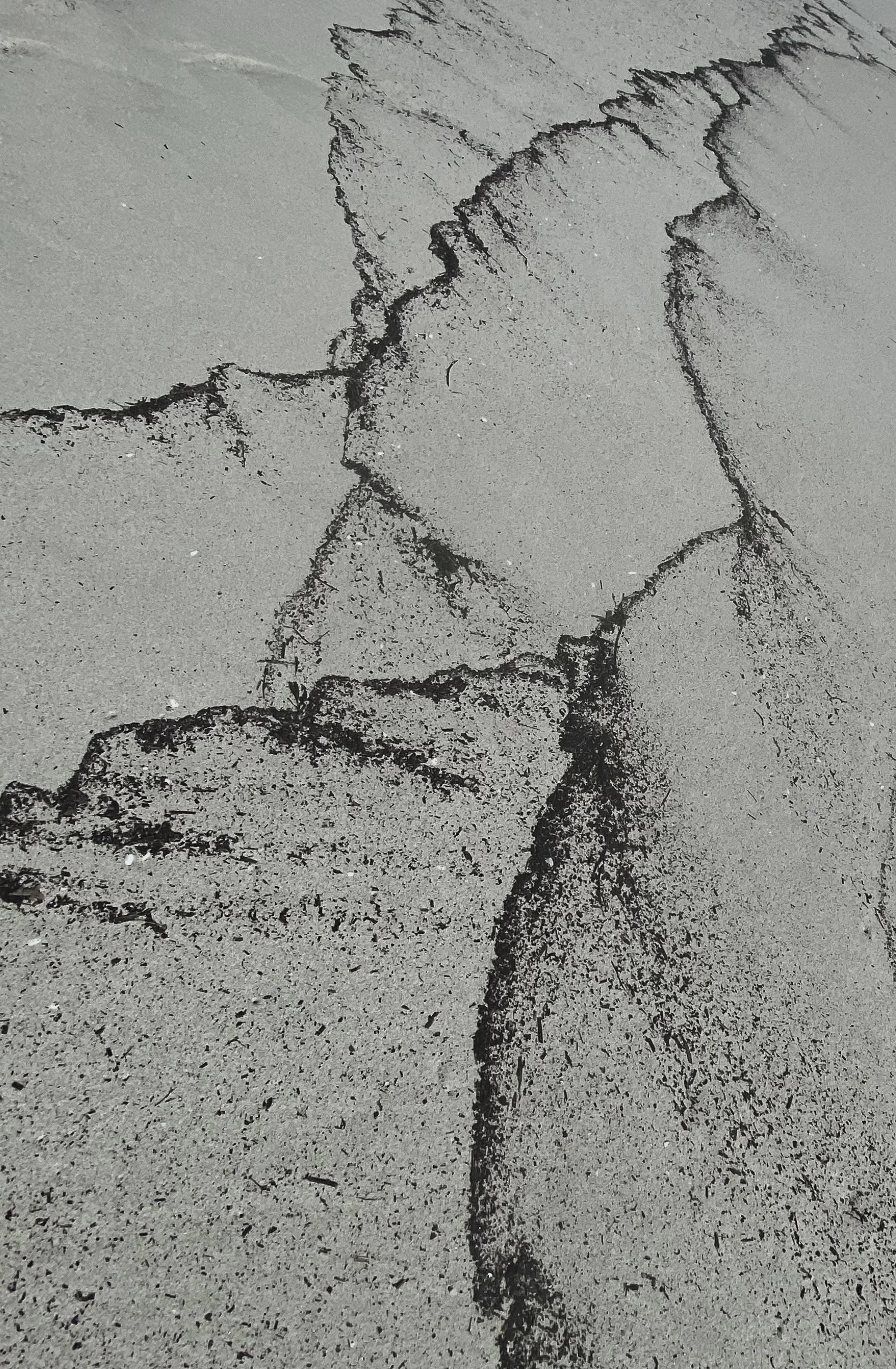
All Images: Marlene Sarroff 2025
Similarly, a lunar day (also known as a "tidal day") is the time it takes for a specific site on the Earth to rotate from an exact point under the moon to the same point under the moon. Unlike a solar day, however, a lunar day is 24 hours and 50 minutes. The lunar day is 50 minutes longer than a solar day because the moon revolves around the Earth in the same direction that the Earth rotates around its axis. So, it takes the Earth an extra 50 minutes to “catch up” to the moon.
Because earth rotates through two title ‘bulges’ every lunar day, coastal areas experience two high and two low tide every 24 hours and 50 minutes. High tides occur 12 hours and 25 minutes apart. It takes six hours and 12.5 minutes for the water at the shore to go from high to low or from low to high.
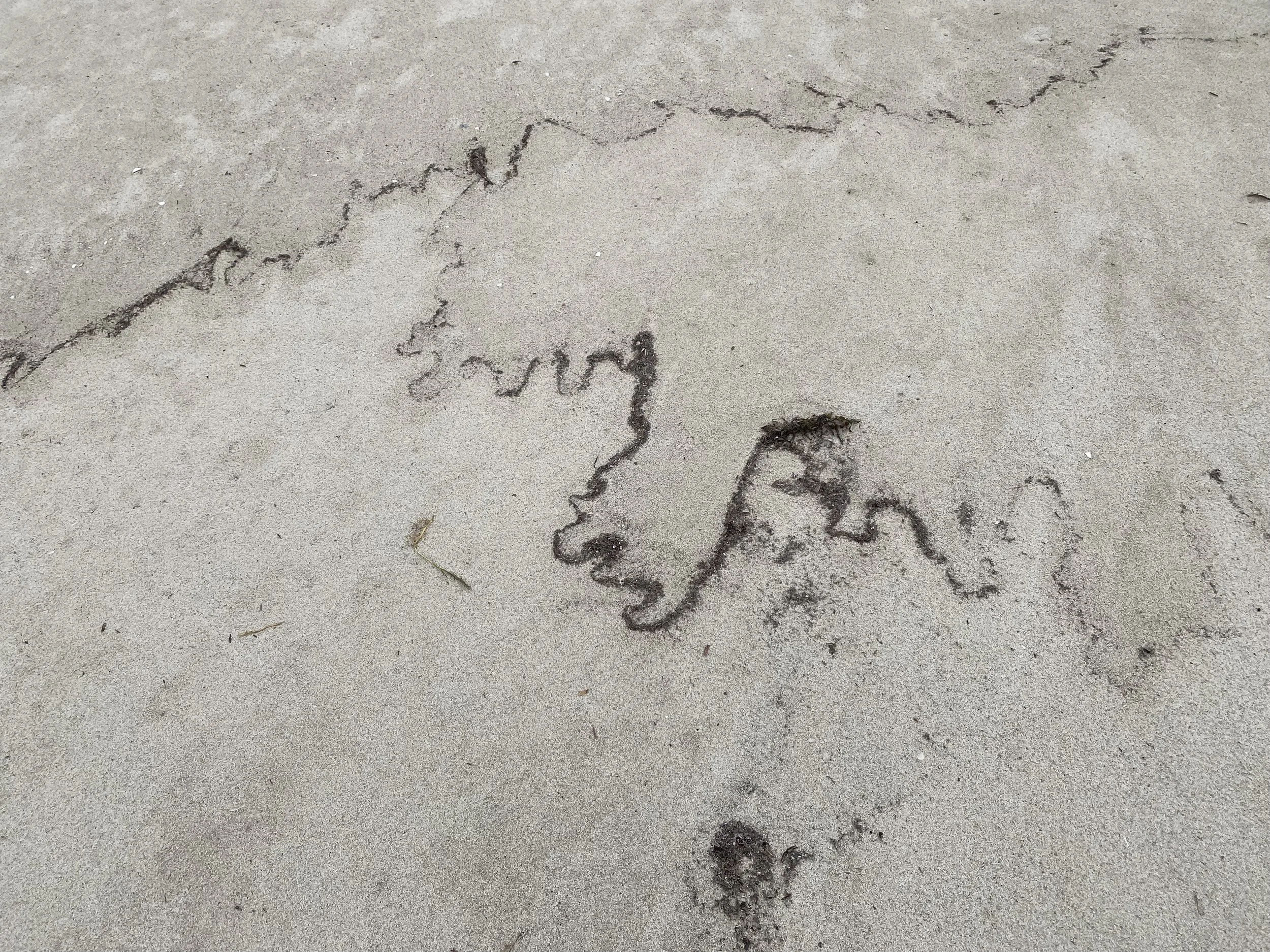
What I have named the CHARCOAL DRAWINGS also are fascinating from an artist point of view.
The dark material visible beneath the surface sand on the beach in the image is likely heavy material sands, a common deposit found on many beaches in Western Australia. The phenomenon occurs due to a natural process called mineral sand accumulation. COMPOSITION : beach sand is composed of various minerals primarily quartz and feldspar. HEAVY MINERALS : Interspersed within this lighter material are heavier minerals like ilmenite, rutile , zircon, and monazite.